
Behavior Isn’t Defiance: Rethinking Discipline in Inclusive Classrooms
Written by: Dr. Jen Spencer
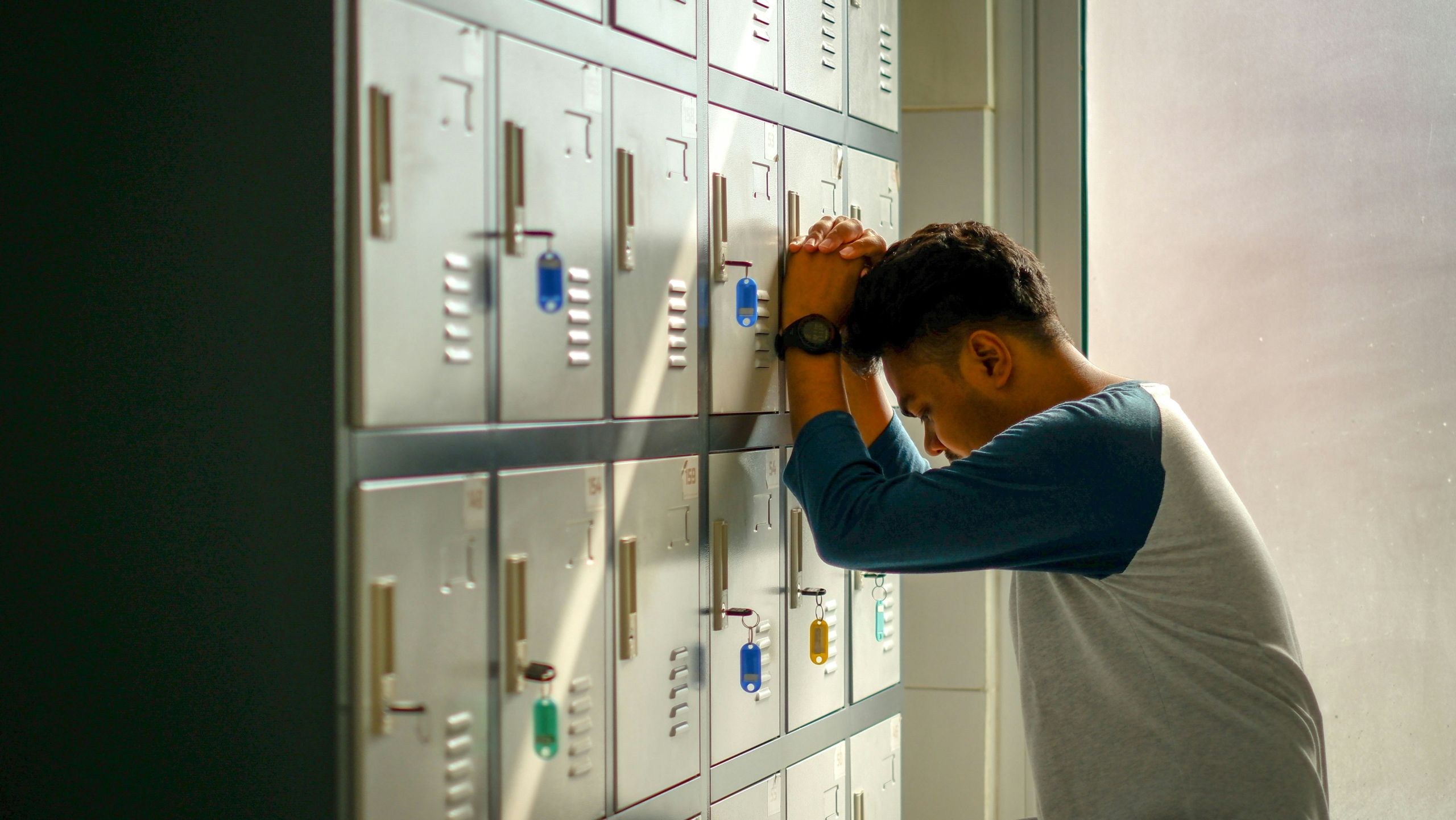
A student just flipped a desk. Every instinct says defiance. Write the referral. Restore order.
Pause first. That behavior is information, not an attack on your authority.
For decades, classroom management has leaned on control: watch students closely, correct what looks wrong, reward compliance. Recent research on inclusive education pushes back on that model. It argues that when we treat behavior as something to police rather than understand, we end up marginalizing the very students who most need our patience, especially those with disabilities or trauma histories. The alternative is a relational approach, one built on trust, curiosity, and the belief that behavior is a form of communication rather than simple disruption.
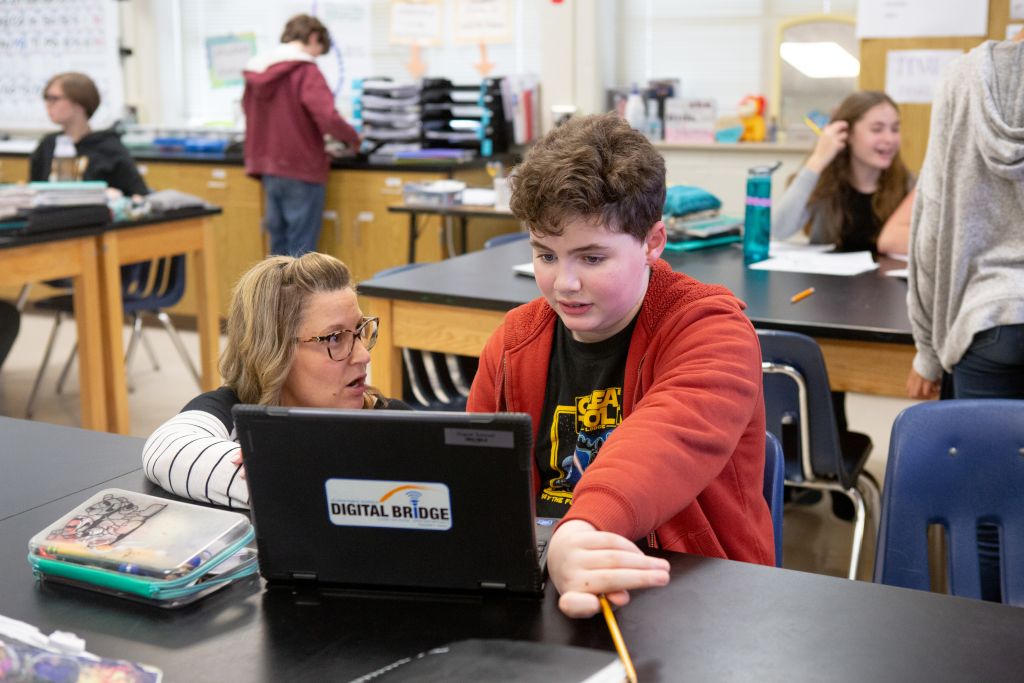
That reframe matters most in the moment a child struggles. Four things are usually underneath what looks like defiance.
“When we treat behavior as something to police rather than understand, we end up marginalizing the very students who most need our patience.”
Lagging skills. The student may not yet have the emotional regulation, communication, or executive functioning tools that the moment demands. This is not a choice they are refusing to make. It is a skill they have not built yet.
Sensory overload. Loud transitions, flickering lights, background music, or a crowded hallway can overwhelm a nervous system long before you see the outburst. Your classroom itself is part of this. Bright colors and walls or surfaces covered in posters, charts, and decorations might feel cheerful to some students and completely overwhelming to others. Music played in the background during independent work can create sensory overload. Every student is different, so it is worth looking around your room and asking what a student who is easily overstimulated would experience walking in. One final word on sensory overload. Your room is your room, and so I encourage you to decorate and organize as you prefer.
Unmet needs. Hunger, exhaustion, anxiety, or a shaky sense of safety at home or in school can show up as a shutdown or an explosion in your room.
Communication barriers. Some students cannot yet say or will not simply say “I’m frustrated,” or “I don’t understand.” The behavior says it for them.
“Typically developing children and atypically developing children do not communicate the same way, and that is not a deficit to fix.”
Here is the part new teachers often miss. Typically developing children and atypically developing children do not communicate the same way, and that is not a deficit to fix. A child with autism, ADHD, or a processing difference has their own language, their own pace, and their own way of showing distress or joy. Culturally and developmentally, that child brings real values and a real way of experiencing the world into your classroom. Your job is not to force one universal standard of “appropriate” behavior onto every student. It is to learn each child well enough to tell the difference between won’t and can’t.
A starting point for your first year
Before you respond to a behavior, run a quick internal check. Ask what skill might be missing, what in the environment might be too much, what need might be unmet, and what the student might be trying to say that they cannot yet put into words. You do not need a perfect answer every time. You need a habit of asking the question before you assign a consequence.
To help you build that habit, I’m sharing a short video walking through this, along with a simple questionnaire you can use to think through an individual student’s behavior across these four factors. Use it before your next team meeting or IEP conversation. It will not give you a diagnosis, but it will give you a starting place, and a starting place is exactly what your first year needs.
References:
Latino, F., Romano, G., & Tafuri, F. (2025). Rethinking behavior management in inclusive education through a relational ethics lens. International Journal of Education and Evaluation (IJEE), 11(4). https://www.iiardjournals.org/abstract.php?j=IJEE&pn=Rethinking+Behavior+Management+in+Inclusive+Education+Through+A+Relational+Ethics+Lens&id=62832
Resources
Please login or register to claim PGPs.
Alternatively, you may use the PGP Request Form if you prefer to not register an account.