
Adapting to Indiana’s New Work-Based Learning Requirements
Written by: Jason Walke
When we first started looking at Indiana’s new diploma requirements at Oldenburg Academy, one question kept coming up: How do we make work-based learning meaningful for our students without making it feel like just another graduation requirement?
That question is especially important for us because we are a college-preparatory school. The vast majority of our students will continue their education after high school, so our approach to work-based learning needs to complement that college-prep mission rather than compete with it.
For our students pursuing the Enrollment Honors Plus Seal, Indiana requires 75 hours of work-based learning. Our goal was to build a system where students could meet that requirement through experiences that were already meaningful parts of their high school experience.
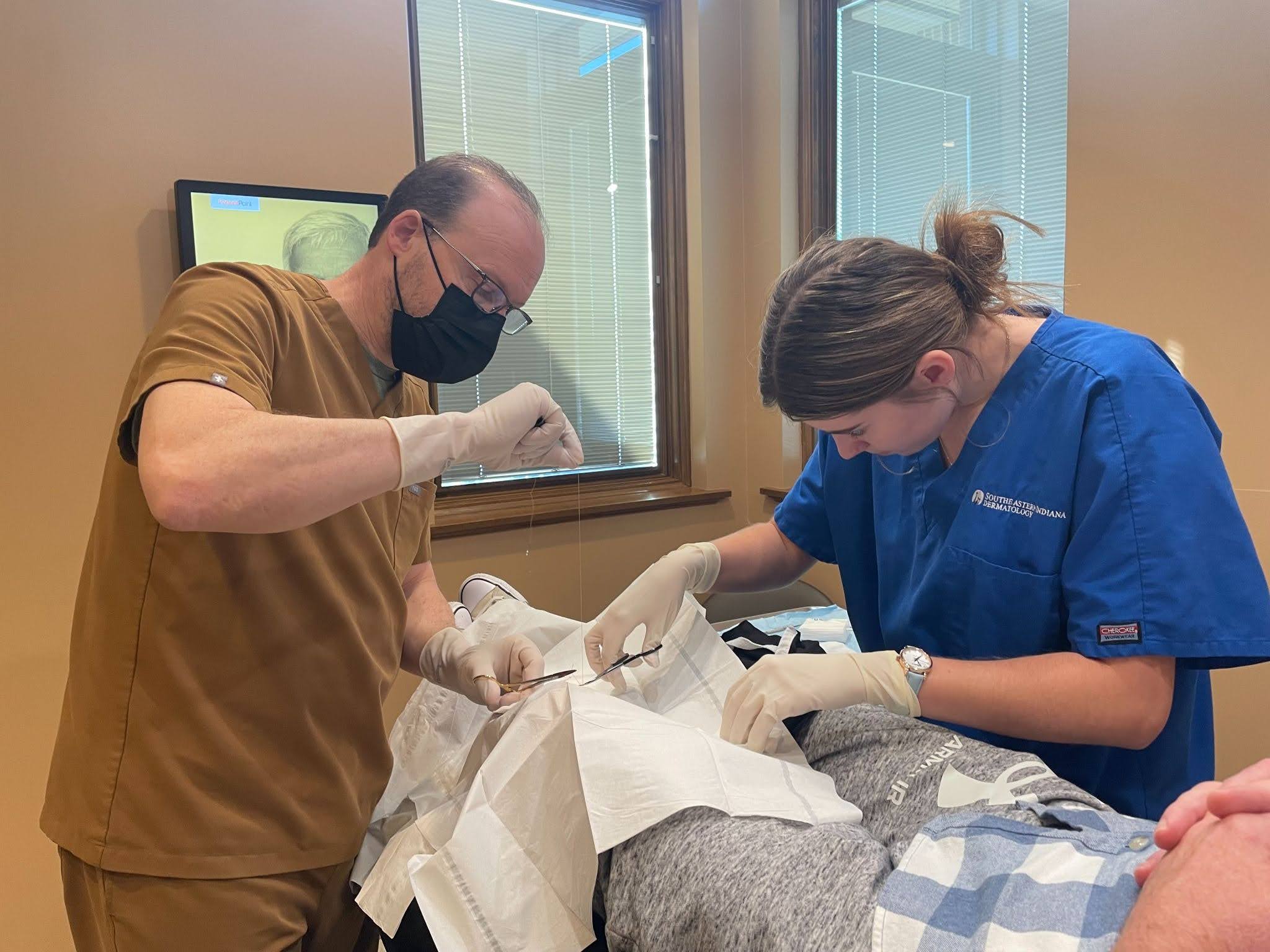
Our first piece is a mandatory senior internship. Every senior completes an internship that provides a minimum of 50 hours of real-world experience. Students work with local businesses, organizations, schools, nonprofits, healthcare providers and other community partners. The experience gives students an opportunity to explore an interest, develop professional skills and, in many cases, discover something about themselves that they could not learn sitting in a classroom.
This is where one of our other initiatives, Mission Mondays, has become incredibly valuable. Our seniors complete their internships on Mission Mondays, which gives us the flexibility to think beyond what is immediately available in our small community. Because students have a designated day for their internship experience, they can pursue opportunities in places like Cincinnati or Indianapolis that might otherwise be difficult to make work with a traditional school schedule.

That flexibility has opened the door to more possibilities for our students. A student interested in healthcare, for example, isn’t limited to the opportunities within a few miles of Oldenburg. Another student interested in business, government or a particular career field can look for an experience that actually aligns with those interests.
We aren’t just asking students to get 50 hours. We are trying to create the conditions that make meaningful experiences possible. That gets our students most of the way to 75 hours, but we needed another piece.
This year, we are piloting the STARTedUP Foundation’s Work-Based Learning program. What makes this particularly interesting for us is that it takes something we were already doing, the STARTedUP Challenge, and provides a structure for students to earn an additional 25 hours of WBL.
I incorporate the program directly into my senior Economics and Political Science classes. Students are already working on identifying problems, developing solutions and thinking about how they can make an impact in their communities. Rather than adding another separate program to the school calendar, we are using curriculum that already exists and connecting it to work-based learning. That is probably the biggest lesson we have learned so far: WBL doesn’t necessarily have to be one more thing.
The STARTedUP program is also relatively self-sufficient from the school’s perspective. The Foundation provides documentation of student hours and a training plan that aligns with what the state requires. That makes it much easier for a school to incorporate WBL into an existing course or program.
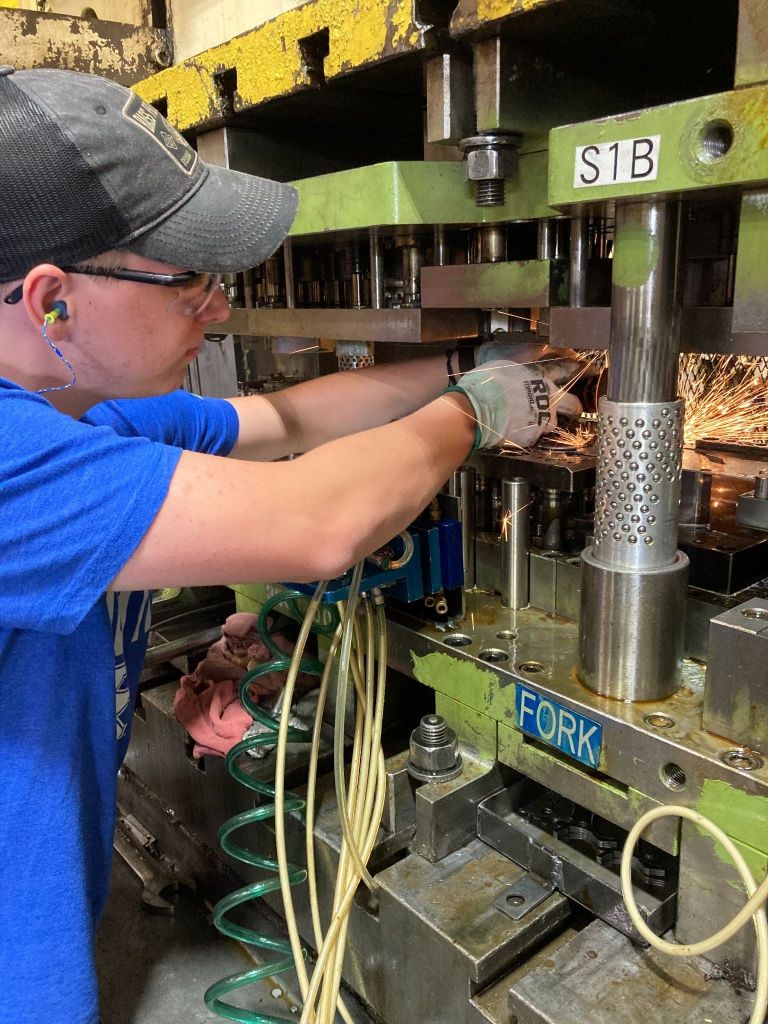
At Oldenburg Academy, we are also tracking hours students earn through part-time employment outside of school. Those hours may become particularly important for students pursuing diploma pathways that require more than 75 hours. We have also created our own training plan and incorporated it into the partnership agreement our internship employers sign. This gives our community partners a clearer understanding of what we expect students to learn while also helping us document the experience.
“Ultimately, our goal is pretty simple: we don’t want our students to graduate having simply accumulated 75 hours. We want them to graduate having accumulated 75 hours of experiences that matter.”
Ultimately, our goal is pretty simple: we don’t want our students to graduate having simply accumulated 75 hours. We want them to graduate having accumulated 75 hours of experiences that matter. The new diploma requirements have challenged schools to rethink how we prepare students for life after high school. For us, that has meant looking at what we already do well, finding opportunities to connect those experiences to WBL, and building a system that makes the requirement feel less like a requirement and more like part of the education we already believe our students deserve.
Resources
Please login or register to claim PGPs.
Alternatively, you may use the PGP Request Form if you prefer to not register an account.