
You’re Not Doing This Alone: How to Partner with Special Education Teachers
Written by: Dr. Jen Spencer
In the last article in this series, Differentiation Doesn’t Mean More Work: How to Make It Actually Manageable, we explored how Universal Design for Learning (UDL) can reduce the pressure of creating multiple lesson plans by designing instruction that supports a wider range of learners from the start. We focused on shifting from reactive differentiation to proactive design. In this final installment, we turn to one of the most important and often underutilized supports available in schools: meaningful collaboration between general education and special education teachers.
For many general education teachers, supporting students with Individualized Education Programs (IEPs) can feel like an individual responsibility carried inside an already full classroom workload. In reality, IEP implementation is a shared responsibility. Effective inclusion depends on a strong partnership between educators who bring different expertise to the same students.
True collaboration begins with clarity. For general education teachers, part of building that clarity is developing a working understanding of the IEP itself, not just the accommodations listed on it, but the goals, the data, and the reasoning behind the supports a student receives. When general education teachers understand the bigger picture of a student’s IEP, they are better equipped to implement supports with intention, communicate meaningfully with their special education partner, and advocate for what a student needs in the general education setting. If you want to deepen your understanding of the IEP process and your role within it, the High Quality IEPs General Education Teacher Toolkit is a practical place to start: High Quality IEPs: Resources for General Education Teachers.
What Collaboration Actually Looks Like
Practical collaboration does not require additional meetings or complicated systems. It can look like:
- Brief weekly check-ins: a 10-minute standing conversation to align on upcoming lessons, flag any student concerns, and confirm that accommodations are in place
- Shared planning notes: a simple shared document where both teachers can add observations, upcoming unit plans, or accommodation reminders without needing to be in the same room at the same time
- Quick alignment on upcoming units: letting the special education teacher preview content a week ahead so they can prepare supports, pre-teach vocabulary, or flag potential barriers before students hit them
- Co-developing strategies for specific lessons: especially for high-stakes tasks like assessments, projects, or new units where access barriers are most likely to surface
The format matters less than the consistency. What works for one partnership may not work for another, and finding the right rhythm takes some trial and error.
“True collaboration begins with clarity.”
Vignette: Finding What Works
Marcus had been teaching 7th grade science for six years. He was good at his job, organized, and genuinely wanted to do right by his students. When Dena joined the school as the new special education teacher assigned to his inclusion classes, he figured they would figure it out as they went.
The first few weeks were polite but disconnected. Marcus would email Dena the night before a lesson with his plans attached. Dena appreciated the effort but found herself scrambling, the emails came too late to prep supports, and a long attachment was hard to act on quickly. She started leaving sticky notes on his door after she pulled students for small group. Marcus appreciated the gesture but missed half of them in the morning rush.
After a particularly hectic week where two students missed key instructions during a lab because their accommodations were not in place, they finally sat down together. Not to problem-solve the students, to problem-solve themselves.
They decided to try a shared Google Doc. Marcus would drop in his plans for the upcoming week every Sunday evening, nothing formal, just bullet points. Dena would add her notes on each student by Monday morning. It took less than ten minutes for each of them and meant they were both walking into Monday with the same information.
It was not perfect immediately. There were still weeks when the doc sat empty and they were back to sticky notes. But over time it became their baseline, and they layered in a standing ten-minute check-in on Thursdays to catch anything the doc missed. By second semester, Dena was flagging potential barriers in Marcus’s upcoming chemistry unit before he had even finished planning it, and Marcus was adjusting his lab instructions proactively instead of retrofitting supports after the fact.
Their students noticed. Not the Google Doc, but the consistency. The same language from both teachers. Accommodations that showed up without being asked for. A classroom where the support felt built in.
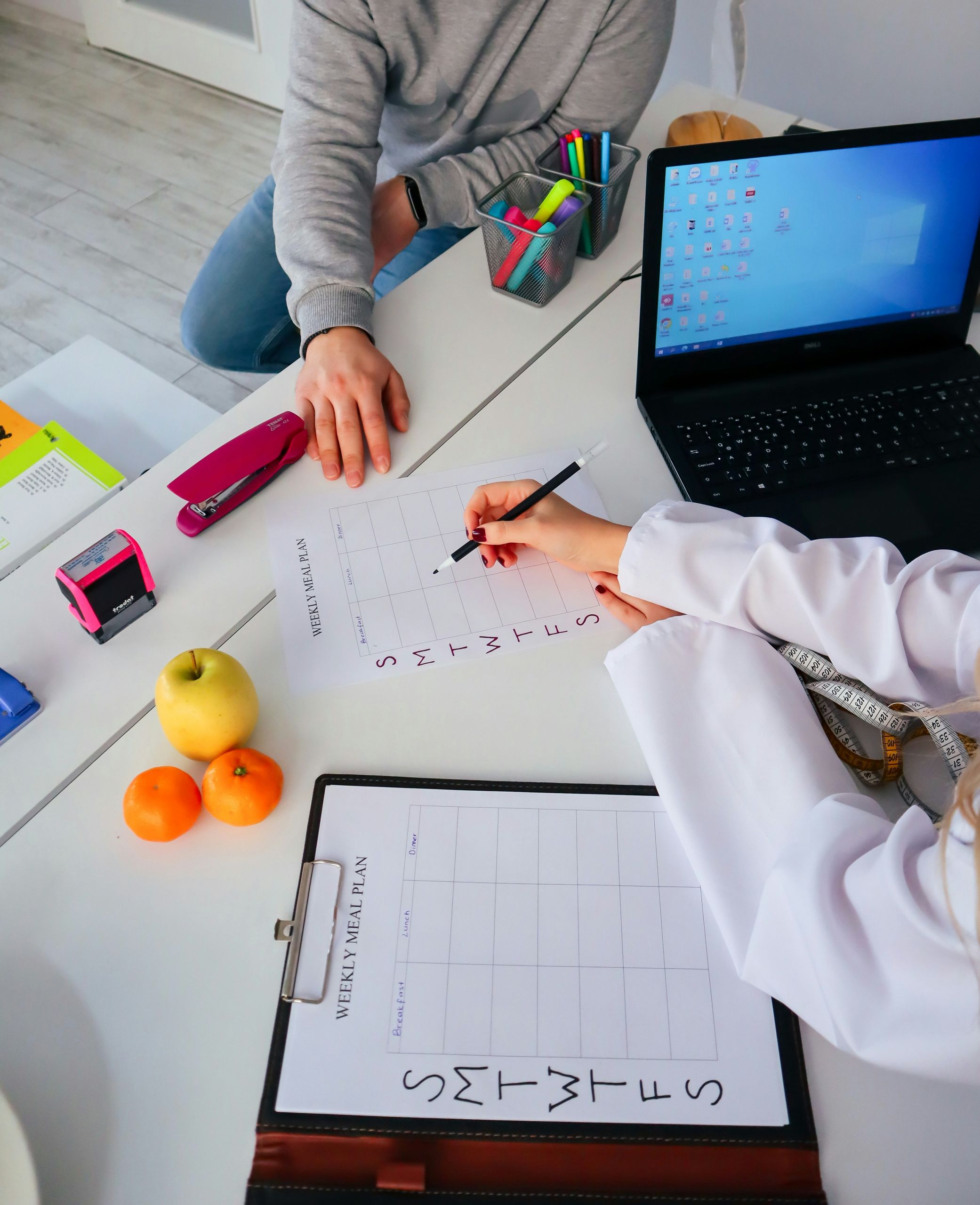
It is also important to move beyond the idea that support only happens when a special education teacher is physically present in the room. Inclusion is most effective when both teachers see themselves as actively responsible for access, participation, and progress, regardless of location or schedule.
When general and special education teachers operate as a coordinated team rather than parallel systems, students experience greater consistency, fewer gaps in support, and stronger academic and behavioral outcomes. Collaboration is not an extra task. It is the structure that makes inclusion sustainable.
“Inclusion is most effective when both teachers see themselves as actively responsible for access, participation, and progress, regardless of location or schedule.”
Special education teachers are not an additional resource to be pulled in when needed. They are instructional partners in the design and delivery of learning.
Check out this video to learn about more strategies for effective collaboration that teachers can do on their own.
In this series, we learned how general education teachers can effectively contribute to the responsibility of serving students with disabilities through targeted supports, Universal Design for Learning, and meaningful collaboration. When general and special education teachers work in true partnership, inclusion becomes not just a mandate, but a shared practice that strengthens access, instruction, and supports for every student.
Resources
Please login or register to claim PGPs.
Alternatively, you may use the PGP Request Form if you prefer to not register an account.