
Meeting Kids Where They Already Are: Digital Citizenship in a Creator-Driven World
Written by: Greg Alkalay
Tom Cruise stumbled off the podium, covered head to toe in green slime. Backstage at the 2001 Nickelodeon Kids’ Choice Awards, my first job as production assistant had me guiding celebrities from stage to post-appearance interviews. It was dark back there. Tom’s vision was oozily impaired. Our collision was sudden, high impact, and very messy. Tom Cruise may do his own stunts, but I don’t! This was my first introduction to celebrity culture.
My name is Greg Alkalay, former Nickelodeon producer and founder of ClassIQ. Why start a blog on digital citizenship with a Hollywood name drop? Because it’s 25 years later and celebrity culture still has a huge impact on our kids. We, and yes, adults too, spend so much time looking at screens, from cinematic features to YouTube shorts. The faces we see on those screens play a significant role in how we think, how we create, and how we navigate the world.
To the main subject, and then I’ll tie it together. I’ll make two statements here.
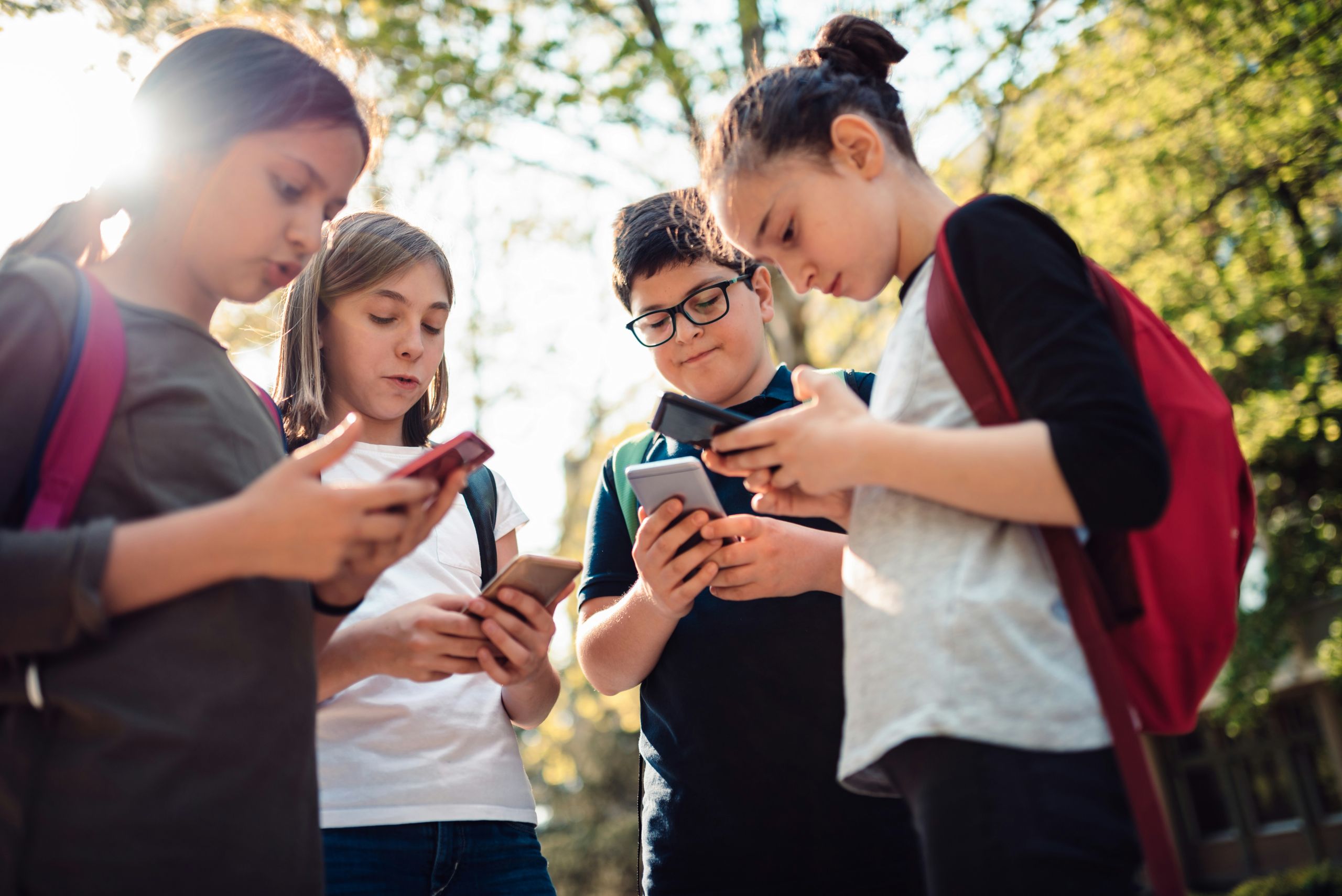
Statement 1: Digital citizenship must be taught in school. This is an opinion, easy for me to say as a parent who is not an educator. But the instruction kids need around online safety, ethical AI use, responsible social media interactions and similar topics is so critical to a child’s overall well-being. Parents…well…we’re not exactly modeling the best behavior ourselves. In my opinion, digital citizenship, which I use here as an umbrella over the broader discussion to be had, belongs in the classroom because the ill effects of bad digital citizenship manifest in the classroom more than any other place. Even in schools with bell-to-bell phone bans, something that happens Saturday night on Snapchat can echo LOUDLY Monday in homeroom.
Statement 2: There is practically no time to teach digital citizenship. Fact, right? From what educators have consistently shared with me, finding space in the calendar for meaningful digital citizenship instruction is at best a challenge, at worst, nearly impossible. So we have a dilemma.
With what little time is allotted for digital citizenship instruction, this instruction needs to hit the nail on the head. Efficiently, potently, and memorably. Digital citizenship can’t just check the box. With mandates, school board requirements, and often an incident-driven reason to get these topics across, we quite frequently see this instruction crammed in where we can find a moment, using resources that cover the topics but don’t proactively change behaviors in a meaningful way.
“Even in schools with bell-to-bell phone bans, something that happens Saturday night on Snapchat can echo LOUDLY Monday in homeroom.”
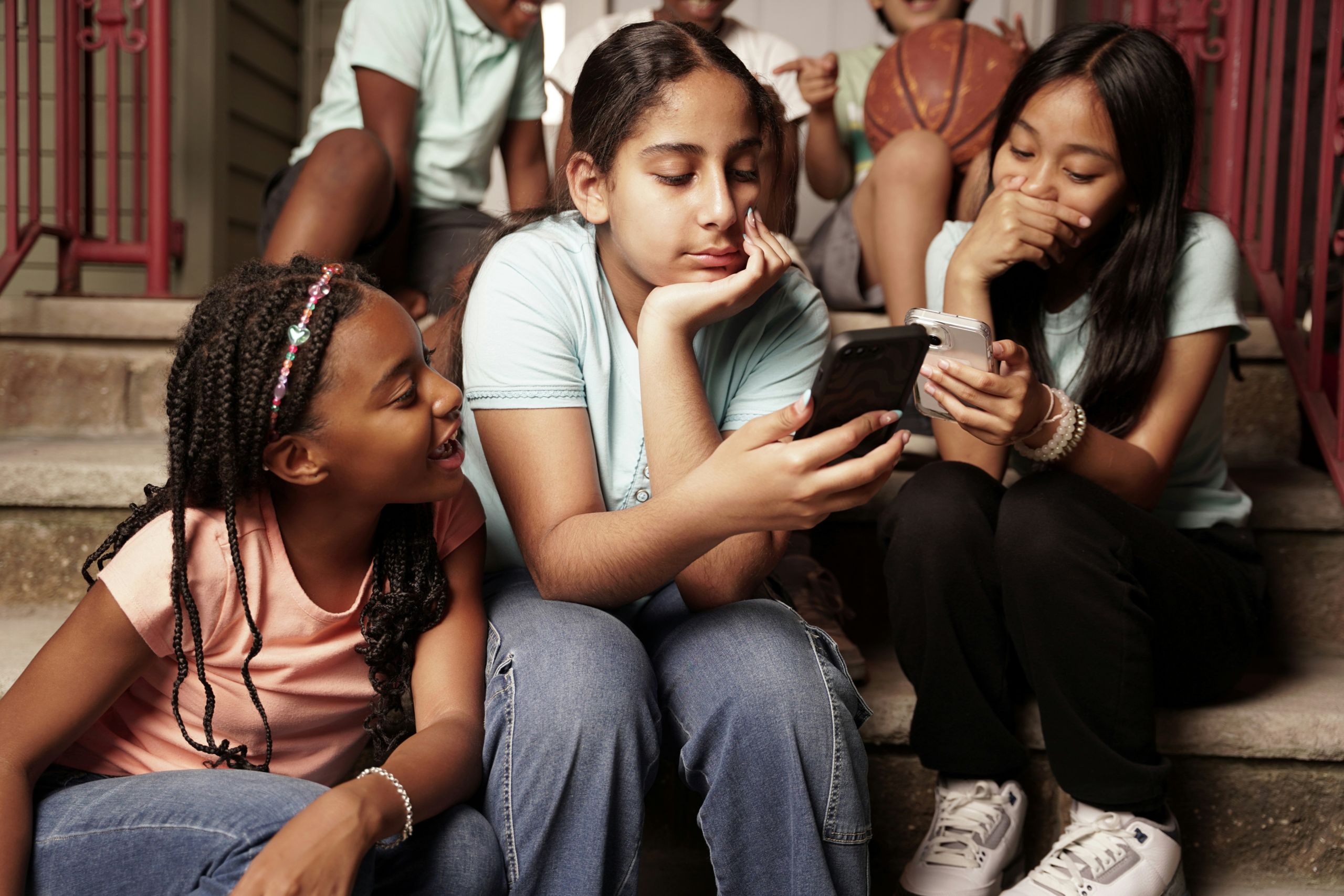
There’s a disconnect between how we teach digital citizenship and the way in which today’s kids actually interact with the digital space. Kids don’t follow generic faces on their social feeds. They follow the creators with the biggest personalities, the most unique take on an area of interest, and the ability to speak with the audience at eye level.
These are the personalities that spend their time creating for kids, and kids appreciate them for it. Their videos are key components of the environment today’s kids exist in. The trends, memes and challenges that educators hear about in the hallways frequently start with or are amplified by an “influencer.”
“Even in schools with bell-to-bell phone bans, something that happens Saturday night on Snapchat can echo LOUDLY Monday in homeroom.”
This is what we’re leaning into with ClassIQ, understanding that kid culture is heavily influenced by parasocial relationships with online creators, personalities kids themselves have chosen. Back in my Nick days, “celebrities” were selected by the talent department and fed to kids. This is who you’re going to watch.
Not anymore. Kids choose their own celebrities, and this agency helps make that creator/viewer relationship extraordinarily potent.
Celebrities and influencers cannot replace what an educator does in any way, shape or form. But digital citizenship is an area unlike our other main areas of curriculum. For one thing, as a subject area, it is still not clearly defined. For another, we’re not testing on it or measuring outcomes in the same way we do in math and science. You, the reader of this blog, already know this far better than I do. But I’m aware that in this same way, teaching digital citizenship can feel awkward and forced, outside of your comfort zone, or a distraction stealing time from everything else you need to cover this year.
Celebrities, media personalities, influencers – call them what you will. Their voices do resonate. They have experience getting a point across in a short period of time, in a manner that kids already vibe with, and in a manner kids are more likely to recall. From what I’ve read, heard, and seen firsthand, many schools have a backlog of digital incidents, some minor, some painfully disruptive, that have forced educators to drop what they’re doing to address the risks…after the fact.
The handout that accompanies this post, created for Digital Citizenship Week, suggests various places to fit digital citizenship instruction, with the knowledge that we need to account for non-traditional implementation in addition to where it fits nicely in library time, advisory, tech or health. We’re trying to discover moments where digital citizenship can enhance a student’s experience, and spotlight where incidents have occurred that fall outside of a traditional digital citizenship curriculum.
We want to, and need to, meet kids where kids are. They’re in chat groups. They’re in Google Docs. They’re on YouTube watching Kreekcraft, JustJules, and other popular figures who have built massive followings by connecting in a very real, very authentic, and very entertaining way. We’re trying to accept the real ways that real kids use their screens and embrace the fascinating, and even at times frustrating, culture that has grown out of this. This creator-led approach is meant to change the dynamic of digital citizenship instruction, because we want to see real behavioral change, regardless of whether the state or district mandates it. The alternative? Pretty much, we’re all getting slimed.
Looking for ways to fit Digital Citizenship into your school calendar? From school-year orientation, like Liberty Middle School in Washington’s “First 72 Hours,” to connecting S.E. Hinton’s The Outsiders with a discussion about digital identity in ELA class (inspired by a class project at École Regent Park in Winnipeg, CA), digital citizenship can fit naturally into the school day without demanding significant additional time or resources. Here are five practical ways to make it work with your students: https://www.classiq.education/5-ways-to-teach-digital-citizenship
To preview ClassIQ lessons, please click here: https://www.classiq.education/preview-access
Resources
Please login or register to claim PGPs.
Alternatively, you may use the PGP Request Form if you prefer to not register an account.