Literacy

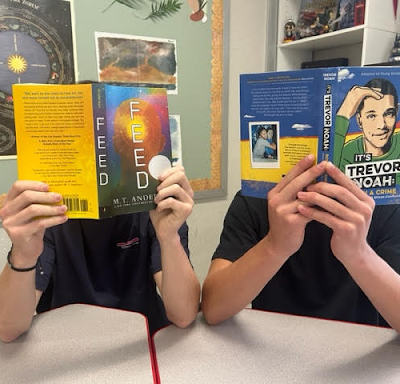

English teachers love to tell reluctant readers they just haven’t found the right book yet. Kelsey Koeneman has an engaging way to expose her high school students to a wide variety of texts.

“Book study” and “CTE class” might not be a combination typically put together. Ashley Johnson shares strategies which have left her students begging for more book studies.
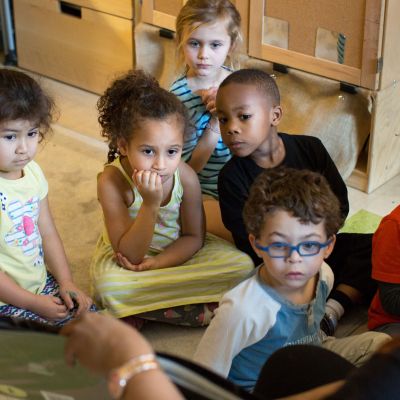
Reading aloud to students is typically enjoyable for all involved. However, there’s a way to sneak in a little more learning as Stephanie Woods shares.

Carrie Wisehart realized her juniors would be as bored as she was with the next research project. How did she breathe life into it? Relevance!
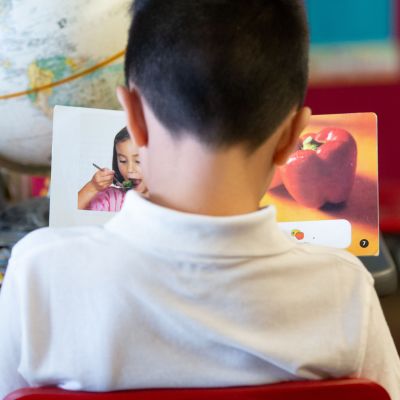
Morgan wraps up her 2 part series on the distinct phases the brain moves through as it is learning to read.
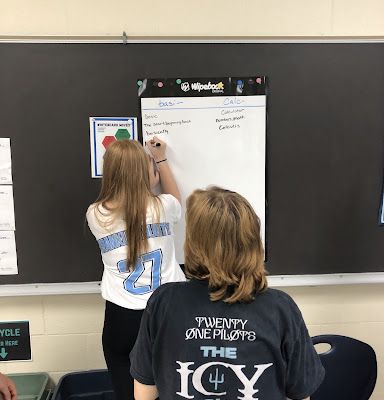
What happens when an ELA teacher goes to a conference based on a book written for math teachers? Adam reflects on the early steps in this journey in part one of this multi-part series.

In her latest blog, Beth Benedix takes a moment to consider a teacher most are familiar with – Mr. Keating from Dead Poet’s Society. She sees a side maybe you’ve never considered.
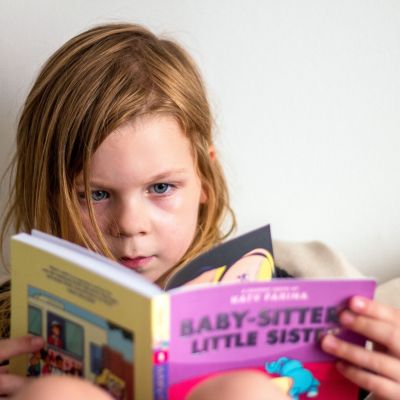
Learning to read is not magic. The brain is moving through distinct phases as it acquires the skill of reading. Morgan breaks down the first 3 phases in part 1 of this series.

Often fiction and non-fiction are presented as if they can not co-exist in a reader’s life. Colette shares a number of middle grade fiction/non-fiction duos that pair very nicely together.

Without a plan, it’s hard to make a meaningful impact. Jessica walks through school year planning for school counselors – from planning to implementation to reflection.

Colette continues her exploration of picture books by looking at those which support feelings and emotional health for readers of all ages.

Picture books are no longer just for elementary students. Colette suggests they have a place in every content area across all grade levels.