Literacy



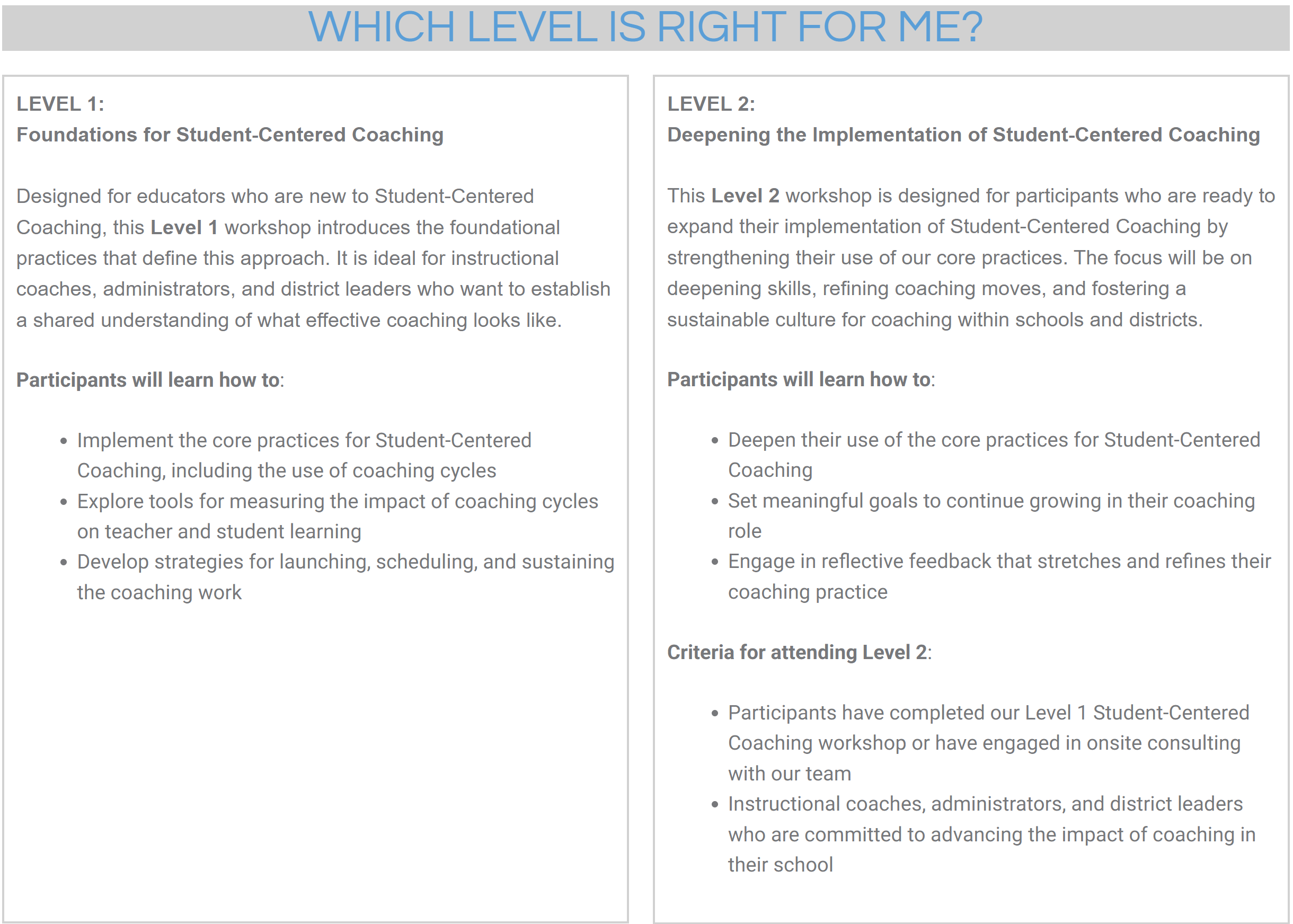
Book talks are a great way to get kids excited about a book. Let’s look at 2 more ways to pique kids’ curiosity!
The amount of educational materials available to purchase is overwhelming. How do you sort through the hype to find what fits your students best?

Media Specialists and classroom teachers can make a powerful duo. The Media Specialists have great expertise that classroom teachers can utilize – building curated resources, fostering a love of reading, integrating technology into instruction, guiding quality research, and collaborating on lessons or units. If you don’t have a certified Media Specialist, find some great advice on how to partner with your local public library!
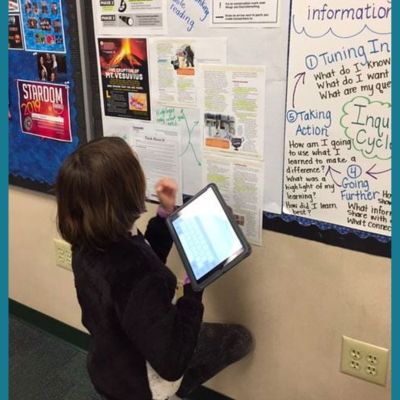
Take your anchor charts to the next level. Let’s push beyond just posting “I Can” statements to using a “What, Why, and How” approach. When learning is visible for students it can be more easily accessed and replicated by students. Let’s really anchor the learning!

Often poetry is taught as a standalone unit, sometimes leaving students to groan & roll their eyes. What if poetry was woven into every unit?

We have much data at our disposal. Do we understand what we’re looking at? Are we asking the right questions?

As a former Language Arts teacher and now STEM teacher, I am combining my skills to make my after school bookclub STEM-sational. With a little out of the book thinking, you can, too!
We know writers need feedback, but we know the feedback takes time. Here’s help in working smarter & faster to get your writers the feedback they need.
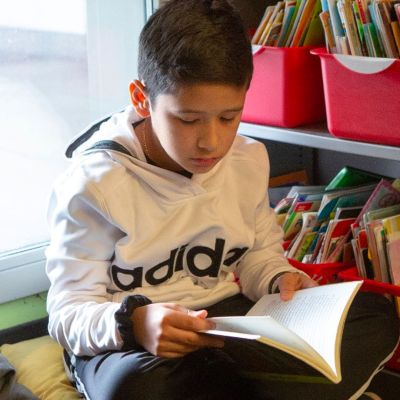
Getting the brain ready to learn is an often overlooked step. Let’s explore some strategies!

Our goal as educators is to develop a reading environment where students are so engaged in books that the strategies of avoidance disappear from the classroom. What might help our readers appreciate books more? How do we build passion for reading?

Sometimes students don’t like reading because they haven’t found the right book yet. Let’s change that!

Emily & Lauren have more innovative ways to use Jamboard.