
From Data-Rich to Action-Ready: Accelerating K-2 Literacy Success
Written by: Morgan Mason
Want a virtual hour with Morgan on this topic? Check out her IMPACT Hour on this topic, where she dives deeper into these strategies that support turning literacy data into instructional action.
The strongest intervention is the one students receive before they fall behind. Early literacy intervention is one of the most impactful investments schools can make. When we identify students’ reading needs early and respond quickly, we have a much greater opportunity to build strong foundational skills before gaps become too significant. Early support will not only improve student outcomes, but also reduces the need for more intensive intervention later on.
Of course, putting that into practice isn’t always easy. Most schools have access to plenty of data, but don’t always know how to turn that information into meaningful instructional decisions. Others find that intervention groups stay the same for too long or that teachers aren’t always sure what the next instructional step should be. Building a responsive intervention system requires more than just collecting data. It requires using that data to make timely, targeted decisions that meet students where they are.
Not all data leads to better instruction. For literacy data to truly make a difference, it must be actionable, meaning it helps educators make informed instructional decisions that improve student outcomes. So, what makes data actionable? Let’s look at four key characteristics of actionable literacy data: timely, specific, practical, and ongoing.
- Timely data is collected and used while there is still an opportunity to respond before learning gaps widen.
- Specific data moves beyond overall scores to identify the exact skills students have mastered and the skills where they still need support.
- Practical data points educators toward clear next steps, such as adjusting instruction, regrouping students, or selecting targeted interventions.
- Ongoing data is reviewed consistently over time so instruction can be refined as students grow and their needs change. Actionable data isn’t just about collecting more information, it’s about using the right information to make better instructional decisions.
“Building a responsive intervention system requires more than just collecting data. It requires using that data to make timely, targeted decisions that meet students where they are.”
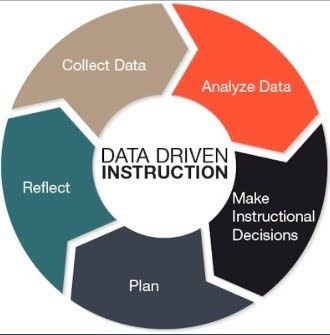
If you’re unsure where to go next, a data-driven instructional protocol can provide a clear path forward. Having a consistent process helps everyone know how to analyze data, make instructional decisions, and take meaningful action. Below you’ll see a breakdown of the steps included in this data-drive instructional protocol.
- Collect Data: Identify key measures for progress.
- Analyze: Disaggregate data to find specific trends.
- Make Decisions: Pivot instruction for targeted interventions.
- Plan: Determine what this looks like daily for teachers and students.
- Reflect: Conduct fidelity checks to ensure effective implementation.
As instructional leaders, you play a critical role in creating a culture where data informs instruction and impacts student success. So, what does that look like in practice? Let’s discuss a few strategies that can help build this culture.
- Protect PLC time for meaningful data conversations: Make time for teachers to look beyond assessment scores and analyze actual student work. Looking at writing samples, decoding errors, or comprehension responses together helps teams uncover patterns and identify what students truly need next.
- Use simple protocols to move from data to action: Establish a consistent process that guides teachers through a few key questions: What does the data tell us? What skill is the student missing? What is the next instructional move? This keeps conversations focused and makes it easier to translate data into instruction.
- Create flexible, skill-based groups: Group students based on the specific literacy skills they need. Revisit data regularly and adjust groups as students make progress so instruction remains responsive.
- Build a shared vision for high-quality literacy instruction: Work with teachers to define what effective literacy instruction looks like across classrooms. Having shared expectations creates consistency for students while also giving teachers common language for planning, observation, and feedback.
- Give teachers practical tools they can use immediately: Provide easy-to-use resources (data protocols, intervention menus, or instructional planning templates) that help teachers confidently turn student data into their next instructional steps.
Together, these leadership moves help create a culture where literacy data leads to meaningful instructional decisions.
“Having a consistent process helps everyone know how to analyze data, make instructional decisions, and take meaningful action.”
I’d like to leave you with this challenge: What is one small change you could make in the next two weeks to make literacy data more actionable in your school or classroom? Maybe it’s protecting 10 minutes of PLC time to look at student work, trying a simple data protocol, or regrouping students based on a recent assessment. The goal isn’t to launch a brand-new initiative; it’s to take one meaningful step that helps data lead to better instruction. Small, intentional changes add up over time!
If you found this blog post helpful, be sure to check out my IMPACT Hour on this topic, where I dive deeper into these strategies that support turning literacy data into instructional action. Remember, you don’t have to do this work alone. If you’d like to brainstorm ideas, troubleshoot a challenge, or talk through your current data systems, I’d love to be a thought partner. Feel free to reach out to me anytime at mmason@ciesc.org.
Resources
Please login or register to claim PGPs.
Alternatively, you may use the PGP Request Form if you prefer to not register an account.