
Changing the Culture Around Assessment: When ILEARN Checkpoints Become Part of Learning
Written by: Heidi Hite
If you walked through the halls of Center Grove Middle School North (MSN) during an ILEARN Checkpoint, you probably wouldn’t know it. There are no altered bell schedules or anxious whispers about a big assessment. Students simply arrive in class, settle into their learning, and spend part of the period completing what we intentionally call a “checkpoint.”
That language is important.
A few years ago, our leadership team began asking a different question about assessment: What if students viewed a checkpoint as an opportunity to adjust their learning rather than a judgment of what they know? For us, that question became the beginning of a culture shift.
A Checkpoint, Not a Test
At MSN, we intentionally use the word checkpoint because that is exactly what we want it to be: a moment to stop, look at where we are, and determine where we need to go next. Our approach can be compared to a football game. A checkpoint is like game film. It gives us information about what is working, where we have gaps, and what adjustments we need to make before the next opportunity. Our next 28 instructional days are when we run our MSN offense.
We don’t stop teaching new content, and we don’t reteach everything. Instead, we use the information we gather to make strategic adjustments while continuing to move students forward with grade-level instruction. That mindset has changed the conversations in our building. Instead of asking, “What did students score?” we ask, “What did students learn, what do they still need, and what are we going to do about it?” That is a very different conversation.
Learning Doesn’t Stop for a Checkpoint
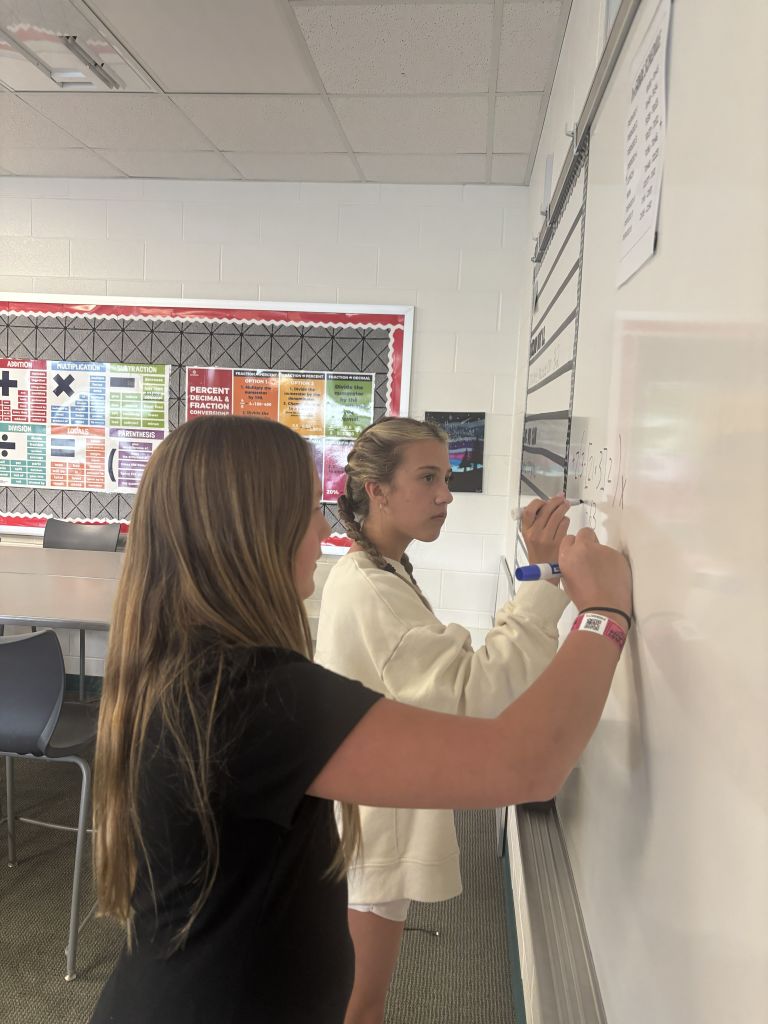
One of our most intentional decisions was that we would not change our building schedule for ILEARN Checkpoints. Students know that when they walk into class on a checkpoint day, they will spend part of their class period doing their best to demonstrate what they know. They have the full 45-minute class period, and teachers provide a five-minute reminder so students can review their work, pause the checkpoint, and move to their next class.
If students aren’t finished, they simply continue the following day during that same class period. Students who have already completed the checkpoint work independently on a meaningful assignment or activity, and that work is not expected to be completed by students who are still finishing their checkpoint. School continues. Learning continues. The message to students is simple: “This is information about your learning, not a disruption to your learning.”
We have also learned that the words adults use can influence how students experience assessment. We don’t call it a test. Instead, we tell students that this is one opportunity to show us what they know right now so that we can better support their learning. When students understand that the checkpoint is designed to help teachers know what to do next, the pressure changes.
As one student put it, “I know it’s okay if I don’t know everything yet because my teacher will help me figure out what I need to work on.” That is exactly the mindset we want students to develop. We want students walking into a checkpoint thinking, “I’m going to do my best to show what I know.”
“Our approach can be compared to a football game. A checkpoint is like game film. It gives us information about what is working, where we have gaps, and what adjustments we need to make before the next opportunity.”
Data Without Action Isn’t Enough
Of course, changing the language around assessment isn’t enough. The real work begins when the data comes back. Our teachers use checkpoint results as part of their Professional Learning Community conversations. They look at standards, identify patterns and misconceptions, celebrate growth, and determine which students need additional support or additional challenge.
As one teacher shared, “The checkpoint data helps us stop guessing and start responding. We can see exactly where students are struggling and make a plan together.”
The checkpoint becomes another source of information that helps teachers answer one of the most important questions we can ask: “What do my students need next?” And then we act.
One of our biggest lessons has been that collecting data without creating time to respond to it doesn’t change student outcomes. That’s why we intentionally mapped our school year to create approximately 28 instructional days between Opportunity 1 and Opportunity 2. Teachers continue teaching new standards and grade-level content while intentionally building corrective instruction into the school day.
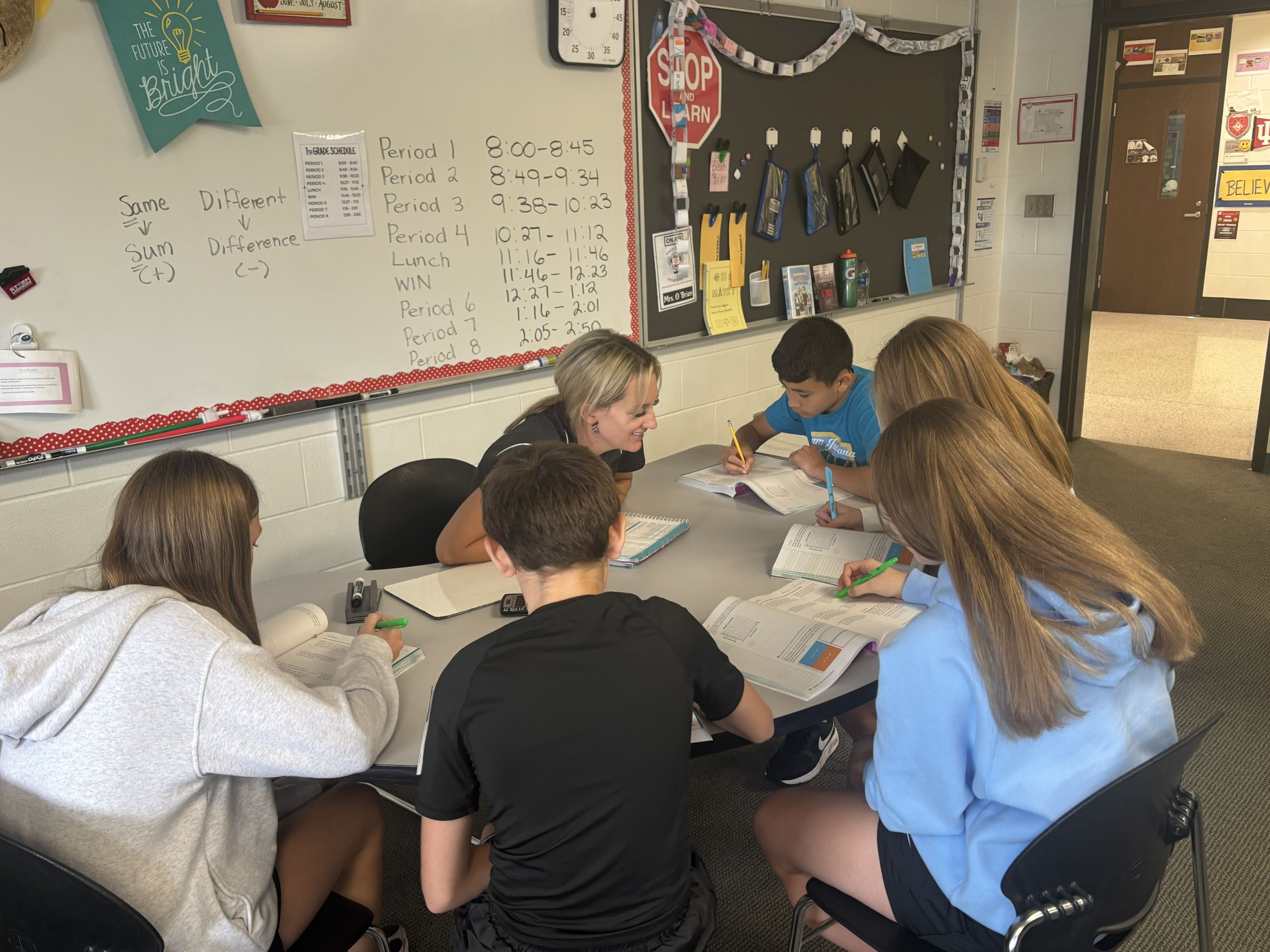
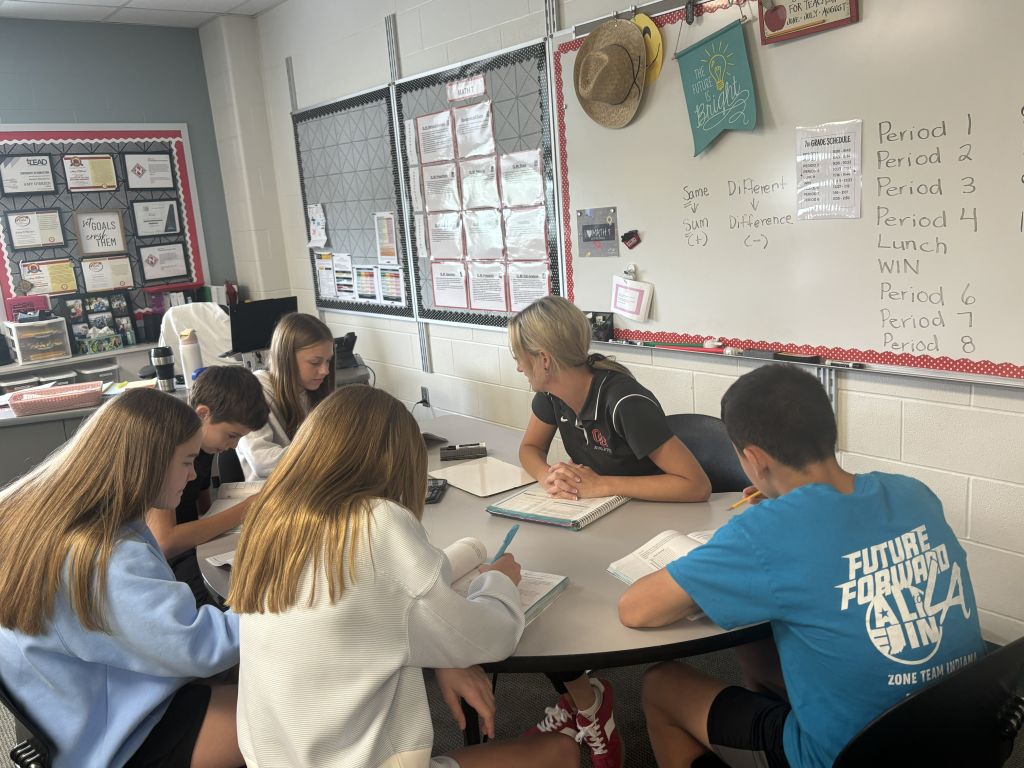
We call this our MSN offense. Our WIN, What I Need time, allows for flexible grouping based on current student needs. Students may work at a teacher table and receive immediate feedback, practice a specific skill through bellwork, or participate in targeted instruction during one of our Flex Days. When needed, we pause instruction for a day and use that time to address what the data is telling us. The goal isn’t to slow down; it is to make sure students don’t move forward with gaps that we already know exist.
The Results Matter
We’ve seen tremendous growth through this process. There have been multiple occasions when as many as 97 students moved from Below or Approaching Proficiency to At or Above Proficiency on the next checkpoint opportunity.
Those numbers matter. They show that when we use data to identify gaps, provide targeted instruction, and give students another opportunity to demonstrate learning, students grow. And that’s what we’re most excited about: the growth is the result, and the culture we’ve built makes that growth possible.
What Can Other Schools Replicate?
You don’t have to redesign your entire assessment system to begin changing the culture around assessment. Start small. Change the language. Call it a checkpoint and talk about what students are learning rather than what they are getting wrong.
Protect instructional time by asking whether testing procedures are unintentionally communicating that assessment is more important than learning.
Build time to respond, because data only becomes powerful when teachers have structures that allow them to act on it.
Use flexible grouping so students can move in and out of support based on what they currently need.
Make PLCs about action. Don’t stop at, “How did students do?” Move to, “What are we going to do next?”
Perhaps most importantly, keep the work focused on students. Assessment should be the game film, not the game. It should help us see what is working, identify where we need to make adjustments, and determine how we can help every student move forward.
“We have also learned that the words adults use can influence how students experience assessment.”
Leadership Sets the Tone
As school leaders, we have an opportunity to shape not only how assessments are administered, but how they are experienced. Our systems communicate our priorities. When we create a stressful testing environment, students feel that stress. When we treat assessment as a natural part of learning, students begin to see it that way, too.
At Center Grove Middle School North, we are still learning and refining our approach, but we’ve seen what can happen when an entire building embraces the idea that assessment isn’t the finish line.
It’s the checkpoint. It’s the opportunity to pause, reflect, adjust, and keep moving forward.
Because ultimately, the goal isn’t better test-taking.
The goal is better learning.
Resources
Please login or register to claim PGPs.
Alternatively, you may use the PGP Request Form if you prefer to not register an account.