
From Launch to Impact: One School’s Journey with Releasing Writers
Written by: Nicole Nelson
In our elementary classrooms, we are always looking for ways to strengthen writing instruction in a way that is both meaningful for students and manageable for teachers. Over time, we began to notice a consistent pattern – our students struggled to independently organize a piece of writing from beginning to end.
Without a clear structure, many students became frustrated or defaulted to short responses. Writing stamina was low, and this was reflected in student performance. At the same time, writing instruction varied widely across classrooms and was often disconnected from reading, creating additional challenges for our most at-risk learners.
We knew something needed to shift.
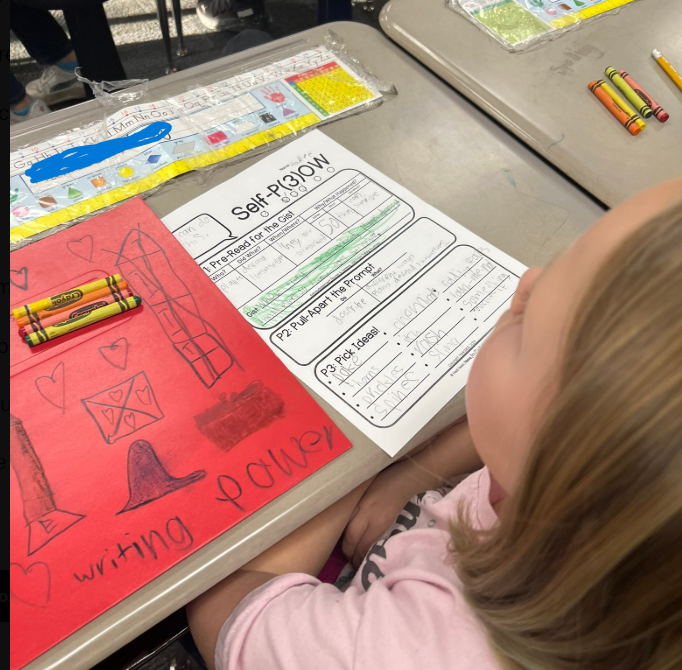
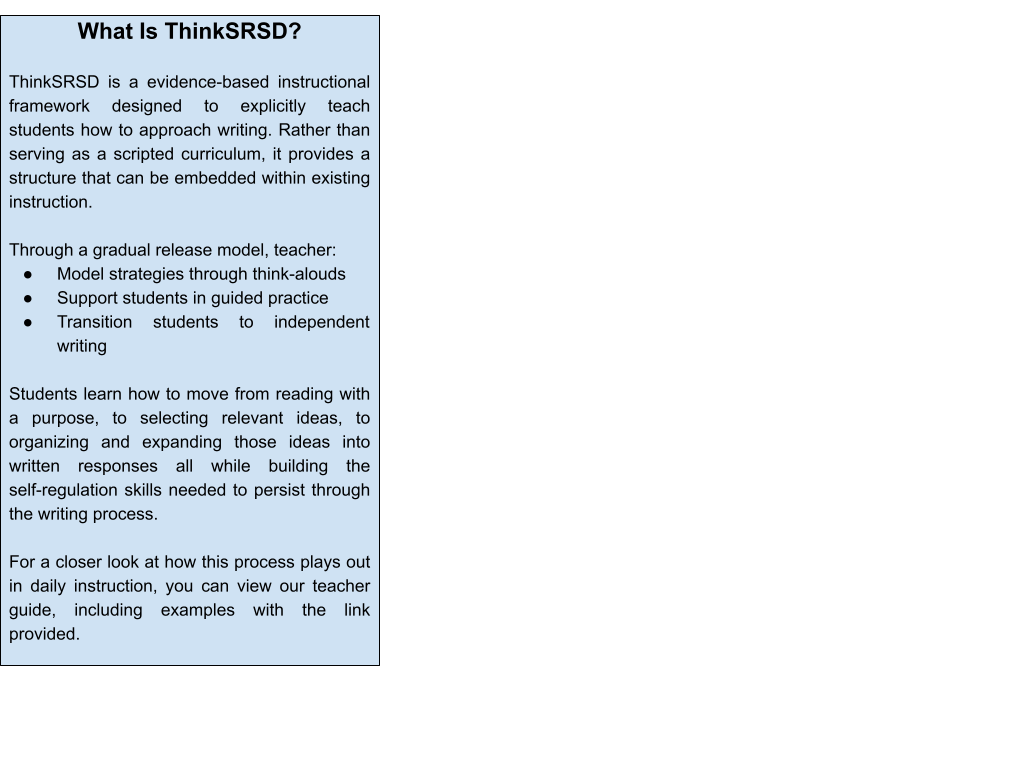
When we were introduced to Releasing Writers, we saw the potential for a more cohesive approach. Grounded in the Science of Writing, this framework combines explicit writing strategies with self-regulation skills such as goal setting, self-monitoring, and reflection. More importantly, it provided a way to intentionally connect writing to reading – something that had been missing in our classrooms.
Our First Year of Implementation
We launched this work with a full day of virtual training and provided each teacher with a copy of “Releasing Writers! and Power Up”, the all-in-one guides for how to get started. Initial reactions were varied.
Some teachers were unsure how to begin, especially without a scripted day-by-day curriculum. This surfaced an important misconception, that the framework would function as a traditional writing program or focus primarily on writing about informational texts.
As leadership, we worked to clarify that Releasing Writers is not about assigning writing tasks, but about explicitly teaching the thinking behind writing. Students are not simply writing what they know about a topic. They’re writing in response to reading, using prompts that require them to analyze characters, explain relationships, and think more deeply about the text.
This shift from writing as a task to writing as a response to reading was one of the most important understandings for teachers. It reframed writing instruction from something students complete to something they use to demonstrate thinking and comprehension.
For many teachers, this shift became clearer through continued support and resources, including the Releasing Writers Launch Slide Deck, which helps to provide explicit instruction to students and teachers on the POWeR Cycle using TIDEL.
“ I was not a confident writing teacher! I felt like my writing instruction was ineffective and disconnected from other areas of instruction. Releasing Writers has given me a tool to integrate my reading texts, vocabulary, and grammar subjects into my writing instruction. It has truly made my planning more simple because I know the exact process to take my students through with each power cycle. ” ~ Micah Bruner 2nd Grade Teacher
Teachers who committed to the process began to see early successes. By the start of the following school year, many were implementing the framework with confidence from day one.
What We’re Seeing in Our Classrooms
As we reflect on this first full year, several shifts have become clear.
First, we are seeing the power of a shared language. With all grade levels using the same framework, students are able to transfer skills across classrooms. This consistency allows teachers to help students make connections between writing and reading during small group interventions.
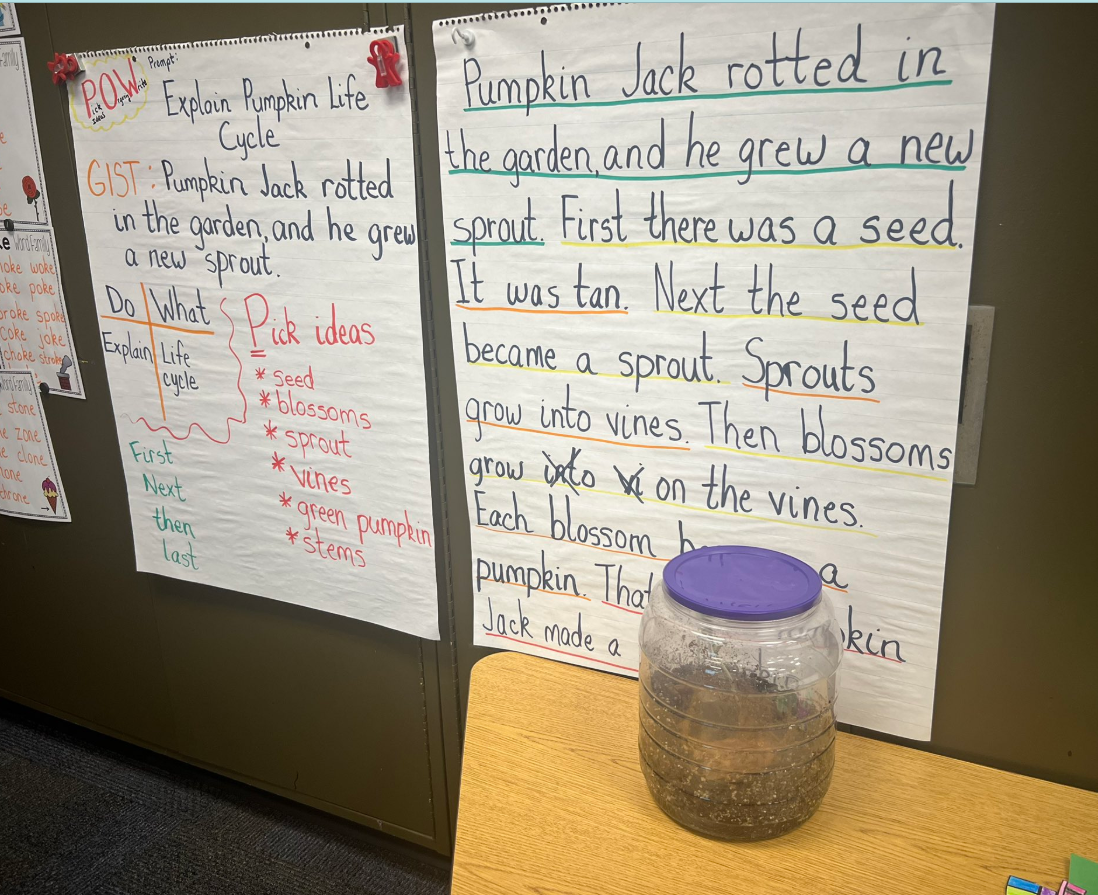
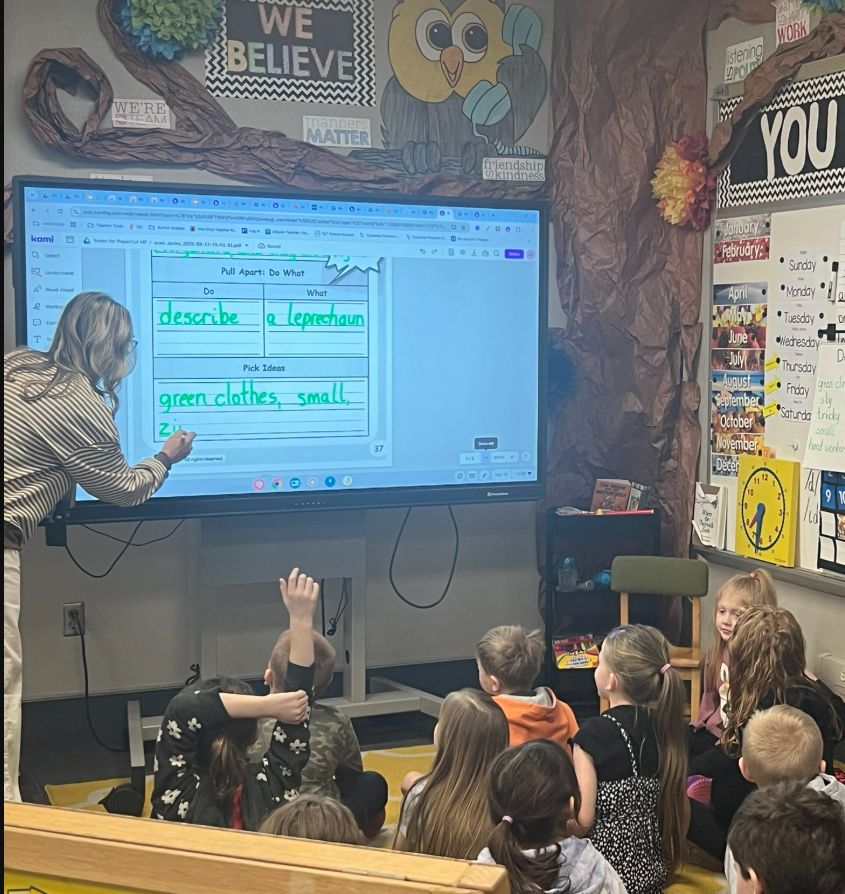
We are also seeing increased independence in student writing. During ILEARN, teachers noticed students taking time to plan and organize their thoughts before writing, something we had not consistently seen in the past. This shift is the result of explicitly teaching the planning process and modeling how writers think before they write.
“My students are such confident writers… They feel confident in the entire process – from planning to writing,”
Another major shift has been the connection between reading and writing. Students are no longer writing in isolation; they’re responding to text in meaningful ways. Prompts ask students to analyze characters, explain cause and effect, and compare ideas, aligning directly to Indiana reading standards.
Teachers are also intentionally supporting students in using vocabulary from the text in their writing, helping them deepen comprehension while strengthening written responses. This integration has made writing more purposeful and more accessible for students.
In addition, students are developing self-regulation skills such as monitoring their progress, persisting through challenges, and using internal language to guide their thinking.
In many classrooms, this includes explicit instruction in positive self-talk.
One of the most powerful moments in this work came when teachers began sharing that even our youngest students were excited to write and were encouraging one another in the process. Hearing first grade students support their peers and talk about their writing with confidence was a clear sign that something had shifted.
Students are not only learning how to write, they’re learning how to think, reflect and communicate their ideas with purpose.
“The partner scoring we did recently was so awesome! I heard them say things like “you used transition words very well” or “way to include your vocabulary words, I’m going to give you a star!” ~ Second Grade
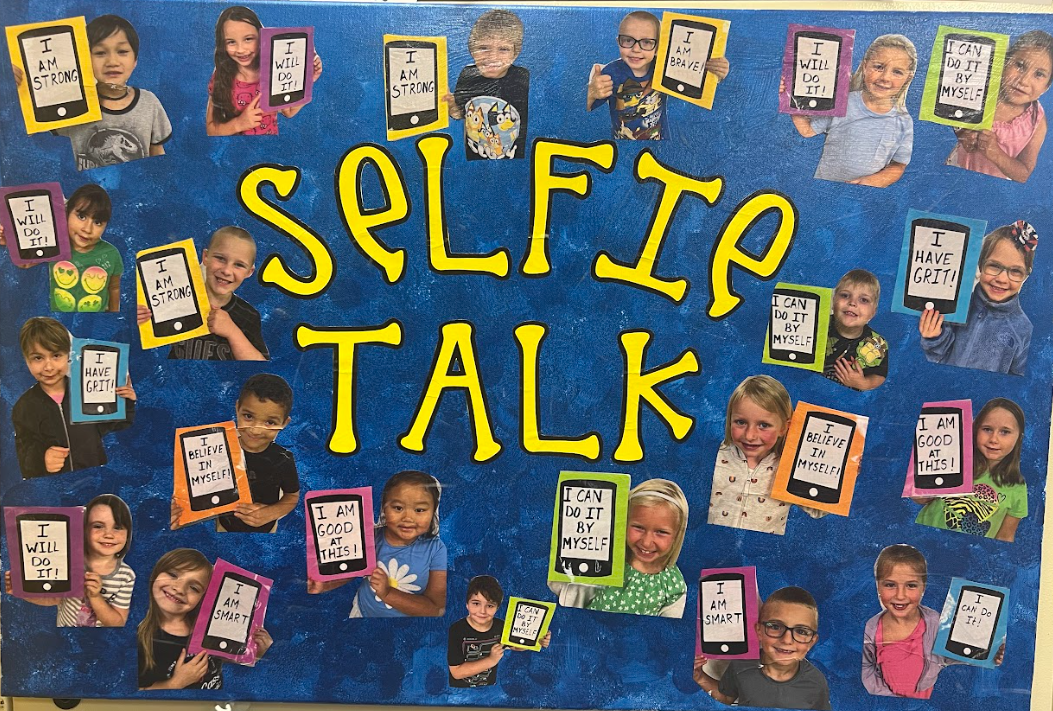
“Hearing first grade students support their peers and talk about their writing with confidence was a clear sign that something had shifted.”
Lessons Learned: Advice for Getting Started
One of the biggest lessons we’ve learned is that this work is not about adding more; it’s about using time differently.
Many teachers initially worried about fitting something new into their schedule. What they found instead is that this framework strengthens existing instruction by providing a clear process for both teachers and students.
“You don’t need more time…just a shift in how you use it… Over time, it actually saves time because students become more independent,” ~ Maggie Peas, First Grade Teacher
We also learned that consistency matters more than perfection. Teachers who committed to the process, even when it felt unfamiliar, began to see meaningful growth in both student outcomes and instructional confidence.
Another important takeaway is that structure does not limit creativity; it supports it. When students understand the process and feel equipped with the tools they need, they are more willing to engage and take risks in their writing.
“Students actually look forward to writing because they feel set up to be successful.”
The most important advice we can offer is to simply stick with it. The impact builds over time as both teachers and students grow more comfortable with the process.
Continuing the Conversation
This work is not about a program, it’s about a shift in how we approach writing instruction. By intentionally connecting reading and writing, explicitly teaching the thinking process, and supporting students in developing independence, we are beginning to see what is possible.
We invite you to continue this conversation with us. View our panel discussion featuring elementary educators reflecting on their first year implementing Releasing Writers along with our special guest, Director of Releasing Writers, Leslie Laud on the Keep Indiana Learning YouTube Channel. They will share real classroom experiences, instructional shifts, and practical strategies to support your work.
Whether you’re just getting started or looking to refine your practice, we hope this conversation provides you insight, encouragement and next steps.
Resources
Please login or register to claim PGPs.
Alternatively, you may use the PGP Request Form if you prefer to not register an account.