Math

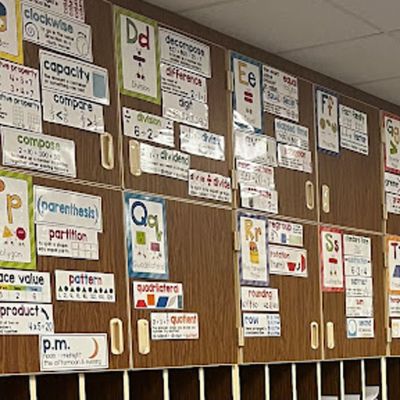

Math is literally everywhere and used in everything, but we don’t spend enough time acknowledging this fact. How do we build a culture of mathematics in our classrooms?

Summer is the perfect time for instructional leaders to pause, reflect, and make moves for next year. Instructional Leader Courtney has three thoughts about how to move forward with a plan and purpose.

We live in a very visual world. How can we use images to activate our students’ curiosity and thinking?
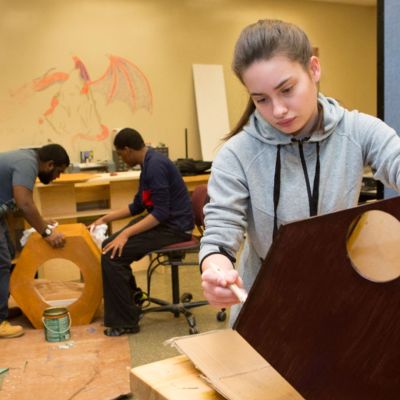
STEM Synergy, a component of Keep Indiana Learning, offers comprehensive and customizable STEM related support services for educators, schools, and districts across the state. The sky’s the limit on customized support options. Meet STEM Synergy & explore how they can enrich experiences for your students.

While it’s easy to Google to find a worksheet, “easy” doesn’t mean “quality.” Explore these 5 quick shifts to move a worksheet from “meh” to “GREAT!”
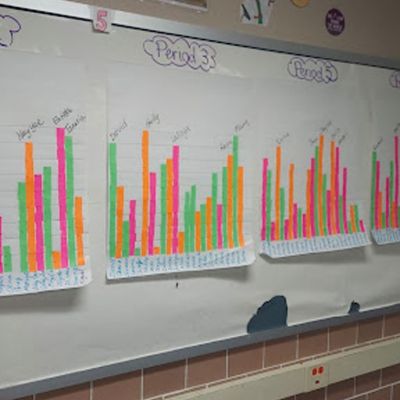
Armed with Peter Liljedahl’s 2021 text Building Thinking Classrooms and the pain and frustration of the social upheaval and pandemic deaths of recent years, I set out to push the boundaries of my abilities to teach math and help students realize more of their true potential. In a whirlwind of change, I departed from the status quo. How did I fare? Did transformation take place?
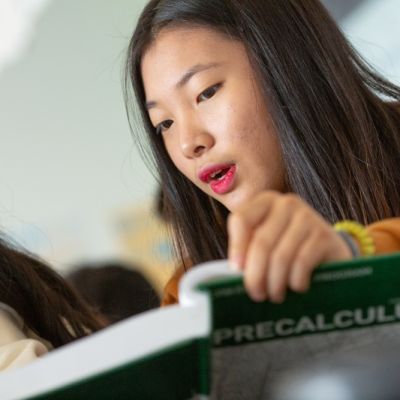
While NCTM’s Eight Effective Mathematics Teaching Practices can seem overwhelming and like just another thing to add to an already overwhelming list of work to do, slight adjustments to your mathematical tasks, questioning, or dialogue that might bring some or all of these effective mathematics teaching practices to life. Here you will find some ideas to shift secondary mathematics teaching.
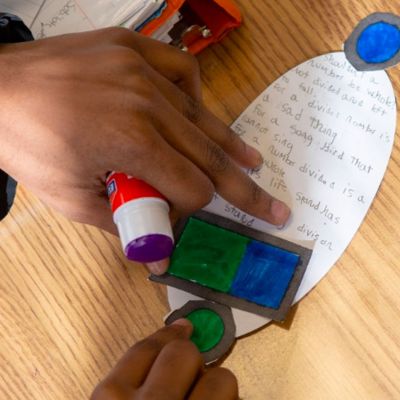
Teaching the way I was taught wasn’t inspiring to my students. However, transitioning to a conceptual approach was a critical element in building strong foundational understanding and capacity for all students to succeed in math. Learners need opportunities to DO math, and in DOING, there is LEARNING.

Who says Pi Day should only be celebrated in math class? There is plenty of fun to go all through the school day on March 14!

Are you having trouble bringing real-world relevance into your classroom? Tracker, a free-use software allows your students to film any physical phenomenon with nearly any device and use that video to pull actual data with regards to nearly any quantity. Students can explore parabolas by filming a ball going through the air, or sinusoidal functions by filming a spring oscillating. The possibilities are nearly endless! In this blog we’ll go through the process of setting up Tracker and how to pull useful data from videos so that you can explore the mathematics behind nearly any scenario!
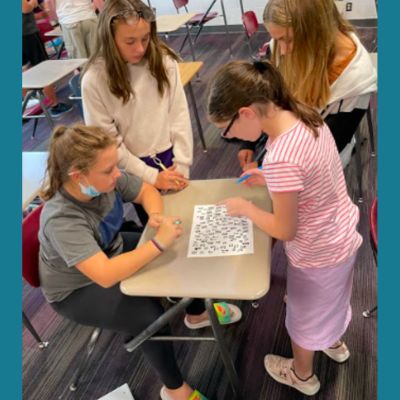
I wanted to create a space where my students could make mistakes and be okay, where they actually liked coming to my class, where they felt “smart” in their own way wherever they were in their learning, where they would push themselves to do better than yesterday, where they could struggle with something and still be alive to tell about it.
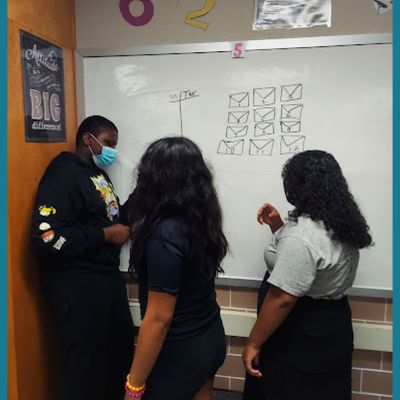
Rather than regurgitate math procedures, I knew my students needed to be able to think and reason deeply enough to tackle any problem thrown at them in math, or even life.