Blog



Black Excellence: 30 Black Hoosier Profiles is a five-part series where educators will be provided with information about notable Black Hoosiers. Each part will cover six Hoosiers. This knowledge will work for Black History Month, throughout the school year, or for when students have to research a Hoosier.

Black Excellence: 30 Black Hoosier Profiles is a five-part series where educators will be provided with information about notable Black Hoosiers. Each part will cover six Hoosiers. This knowledge will work for Black History Month, throughout the school year, or for when students have to research a Hoosier.

In the challenging and unexpected transition to digital learning environments in 2020, some of the most common questions my students asked are “Where do I start?” and “What do I need to do today?”

Educators thrive when the light bulb moments occur, when students spring into action, and when students have their own curiosity bubbling in the classroom. How do we set the tone so that these wonderful classroom moments can occur more often?
It happened in a second grade reading class: One young boy we both knew had struggled for three years with academic and social emotional aspects of school. It was hard for him and hard for his teachers.

Many don’t know that the reason the United States celebrates Martin Luther King Jr Day is because of the work of Coretta Scott King.
Communicating with your peers within your work environment is important; there are so many other professional peers with whom you could be interacting.

A trendy and probably Pinterest-inspired idea is to buy fewer holiday gifts for your children—often using the catchy phrase, “something you want, something you need, something to wear, and something to read.”
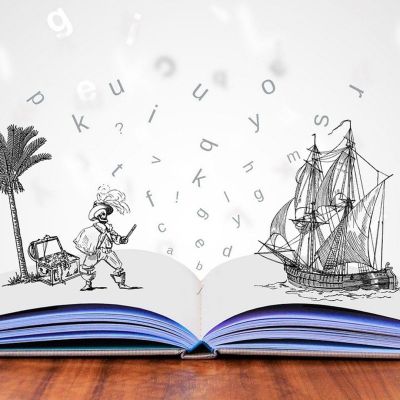
Reading is an activity that we as educators can always rely on as a solid back-up plan.
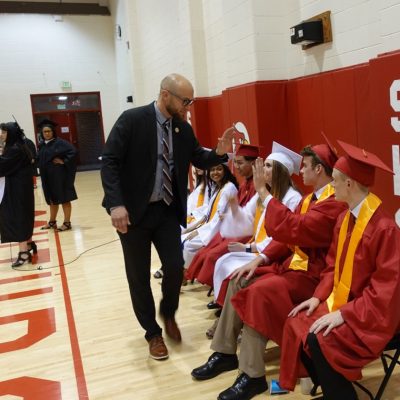
Leaders create culture; culture drives behavior; and that behavior creates an experience for others. As leaders, we must understand this.
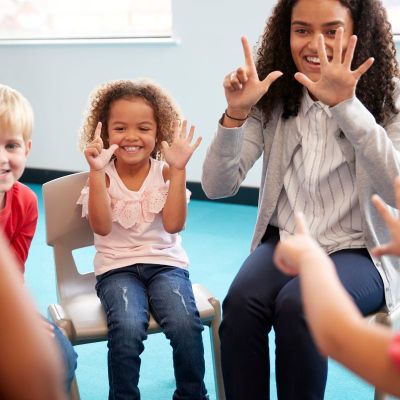
New teachers are my favorite. As an administrator, I see them as a bundle of new energy with fresh ideas and a level of excitement that is unparalleled. Each year, the fresh crop of “I’m here to change the world” educators are the greatest gift we have to our students.

Join Diana Gill, Director of Technology at East Porter County School Corporation, as she shares her expertise on Copyright and FERPA.