
Beyond the Family Tree: Inclusive Ways to Celebrate Every Family in Your Classroom
Written by: Abigail Carter
November is a wonderful time for learning in the classroom. Many rooms are filled with activities based on thankfulness, giving, and communities from long ago. Teachers also like to include lessons that are based around families and family traditions – especially as we enter into the holiday season!
Every year, thousands of students walk into classrooms carrying unique, beautiful stories of how their families came to be. But for children who joined their families through adoption, foster care, or non-traditional caregiving structures, classic assignments like traditional family trees or “bring a baby picture” days can inadvertently cause anxiety, confusion, or a feeling of exclusion.
My own beautiful family was created through adoption. My older son (13), Dane, was adopted as a newborn through domestic adoption. My younger son (10), Grey, was adopted from China. Our family is beyond blessed.
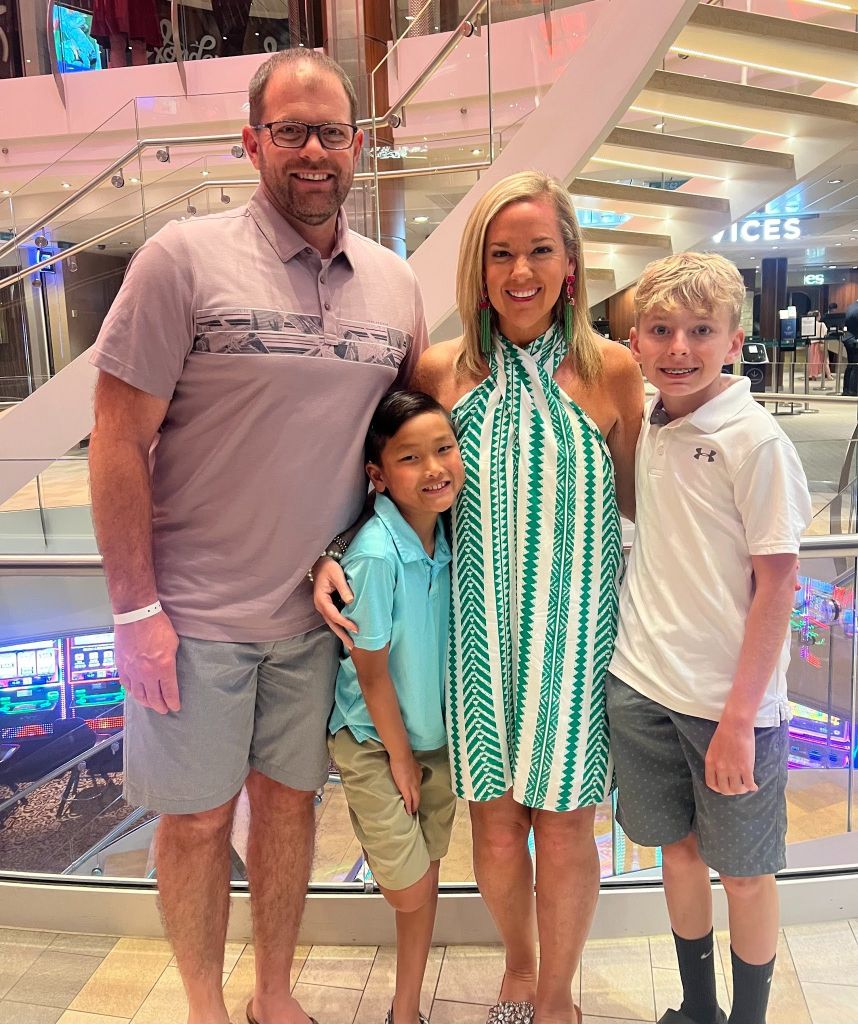
I remember being so excited when my boys started school – I had waited for many years to buy school clothes, get a child ready for kindergarten, and enjoy crafts and cards coming home. It was finally my turn to be the Room Parent! However, those feelings were somewhat squashed the first time my older son brought home his “My Family Tree” school project. Gulp. I had to think creatively about how to approach the project, and have thought that way ever since.
A traditional family tree requires a linear, biological progression that simply doesn’t capture the reality of many modern families. Fortunately, creating an inclusive classroom doesn’t mean skipping discussions about family — it just means broadening our lens!
Here are a few engaging, inclusive alternatives to family trees that celebrate the love, connection, and unique structures of all families. I have linked easy (and printable!) examples below for you to use in your own classroom starting tomorrow!
“Fortunately, creating an inclusive classroom doesn’t mean skipping discussions about family – it just means broadening our lens!”
Activities Link: https://canva.link/62f654uyv9yuy8u
The Family “Orbit” or Constellation
Instead of a rooted tree that emphasizes biological branching, invite students to map their family as a constellation or solar system.
- How it works: The student places themselves in the center. Around them, they draw or write the names of the important people (or pets!) in their “orbit.”
- Why it works: There is no hierarchical or biological requirement. A child can include birth parents, adoptive parents, foster parents, stepparents, grandparents, or trusted guardians without needing to fit them into a rigid diagram.
“Who is in My Village?” Community Quilt
Focus on the concept of community and support systems rather than genetic history.
- How it works: Provide each student with the quilt (linked below) or give each child one quilt square. Ask them to illustrate or write about the people who love, support, and care for them. Patch all the squares together to create a colorful “Classroom Village Quilt.”
- Why it works: It shifts the focus from heritage to belonging. It reinforces that every child has a unique team of people supporting their growth.
“Recipes for Our Family” Activity
Instead of tracing bloodlines, look at the values, traditions, and “ingredients” that make each home special.
- How it works: Students write a “recipe” for what makes their family unique.
- Example: “1 cup of Sunday pancake breakfasts, 2 tablespoons of laughter, 3 cups of bedtime stories, and a whole lot of love.”
- Why it works: It celebrates culture, shared experiences, and emotional bonds without requiring historical or genetic knowledge. You could even add in a fun cooking lesson after the recipe cards are presented!
Family Traditions & Celebrations Showcase
Focus on how families live and celebrate together today rather than where they came from in the past.
- How it works: Invite students to share a favorite tradition, holiday, game, or favorite meal their family enjoys together. They can draw a picture, bring in an object (or photo of an object), or write a short paragraph. My ML (Multi-Language Students) especially love this activity because they get to teach us about their amazing countries! You can even invite one of their family members to be a part of the presentation!
- Why it works: Adoptive families often create rich, unique traditions—including “Gotcha Days” or Adoption Days—that fit naturally into this assignment alongside traditional cultural holidays.
Activities Link: https://canva.link/62f654uyv9yuy8u
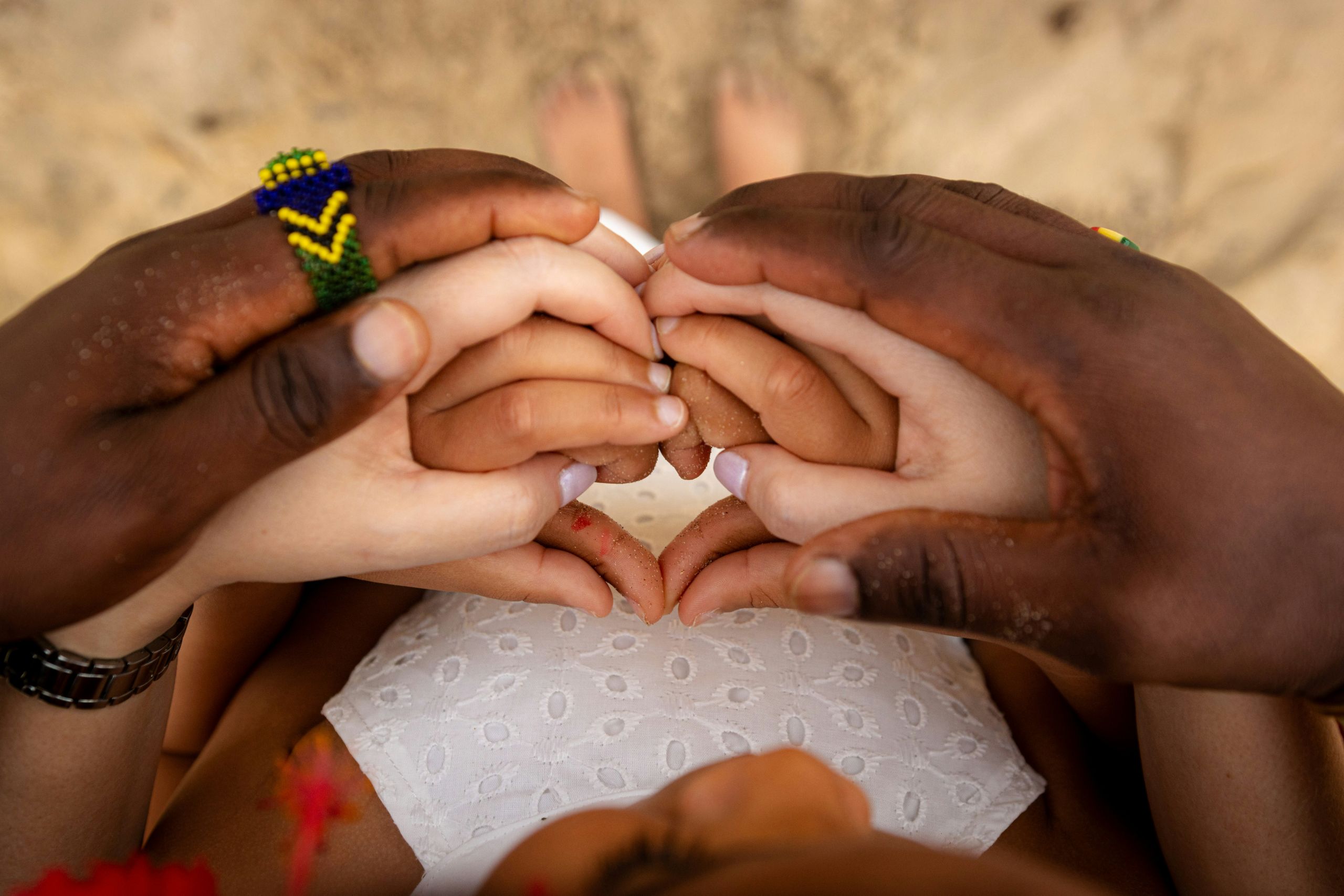
““Love, care, and connection are what truly make a family — and that’s a lesson worth teaching in every classroom”
Quick Tips for Educator Language & Framing
Small shifts in language can make a massive difference in helping adoptive families feel valued:
- Use inclusive terminology: Instead of asking students to “ask your mom and dad,” try using “your adults,” “your parents or guardians,” or “the people who take care of you.”
- Offer choices: Whenever assigning a family-related project, always give options. For instance: “You can share about your family, a mentor, or a group of people who are special to you.” I always relate this back to myself as well. My parents are divorced, but re-married. I explain that I have step-parents who care about me also and I love to include those special people in my class discussions.
- Normalize diverse family structures: Integrate books into your read-aloud time that feature adoptive families, single parents, multi-generational households, and foster care (e.g., A Mother for Choco by Keiko Kasza or Over the Moon by Karen Katz). This is something I am constantly wanting to increase – you can find me scouring our Book Fairs throughout the year to find inclusive family books for my students.
When we ditch the rigid structures of traditional family trees, we make space for every child to feel seen, proud, and included.
Love, care, and connection are what truly make a family — and that’s a lesson worth teaching in every classroom. And, did you know that November is also National Adoption Month? I am celebrating all of the amazing teachers and parents who chose adoption for their families – what an amazing blessing it truly is!
Resources
Please login or register to claim PGPs.
Alternatively, you may use the PGP Request Form if you prefer to not register an account.