
The Power of High-Quality Early Childhood Education
Written by: Kristin Parisi
High-quality early childhood experiences are crucial to a child’s development and long-term success. These formative years lay the foundation for future achievement in school, the workplace, and social relationships. Research, including findings from the National Association for the Education of Young Children (NAEYC), underscores the importance of these early years. In their article Principles of Child Development and Learning and Implications That Inform Practice, NAEYC highlights that neural connections—responsible for thought, communication, and learning—form most rapidly during early childhood.
Brain Development and Learning Foundations
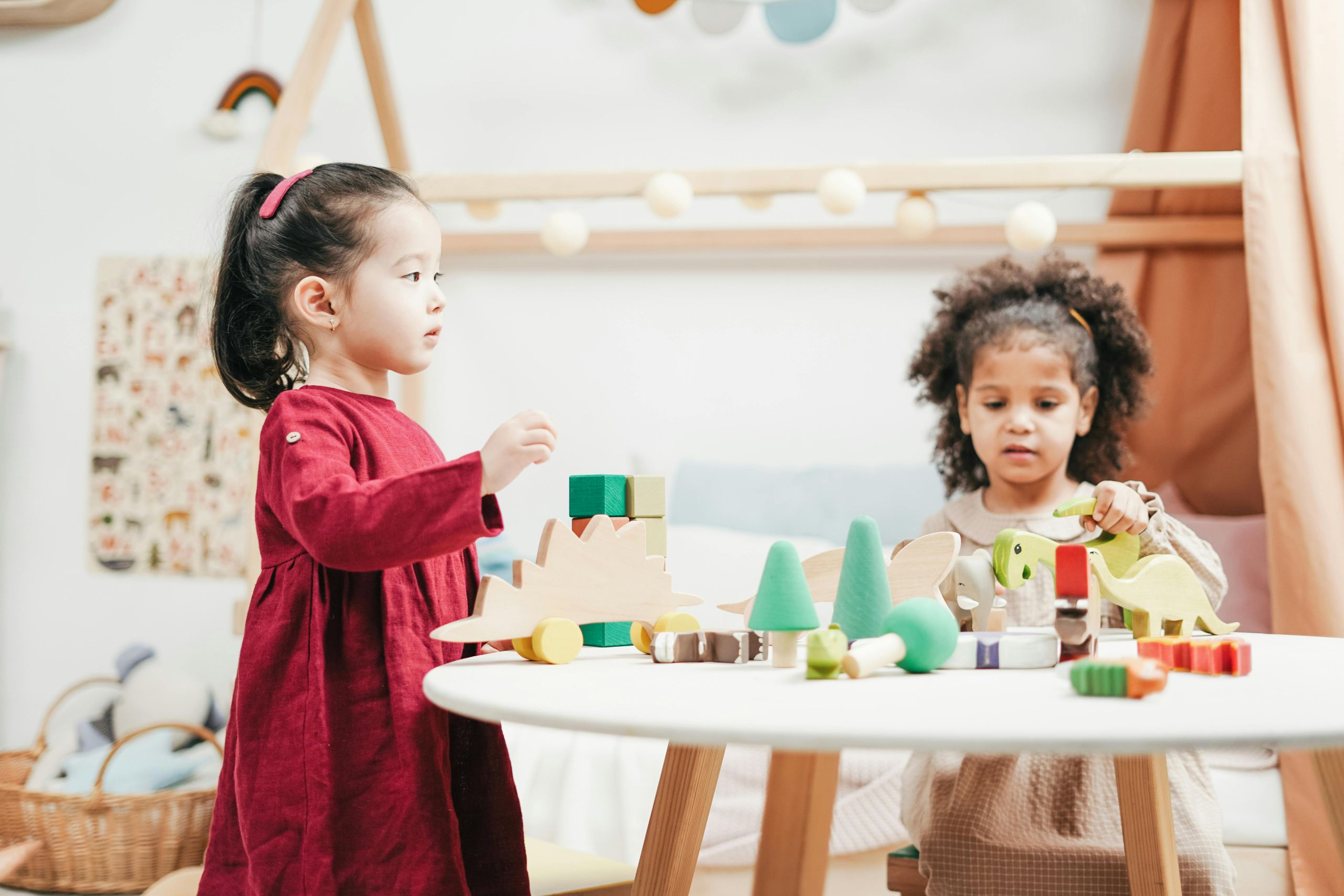
During the first five years of life, a child’s brain undergoes remarkable growth, with 90% of brain development occurring in this window. High-quality early childhood education plays a critical role in supporting this growth. Classrooms that prioritize intentional play and structured learning opportunities significantly enhance language and literacy development. These environments stimulate young minds, helping children build the foundational skills they need for reading, problem-solving, and critical thinking.
“Classrooms that prioritize intentional play and structured learning opportunities significantly enhance language and literacy development.”
Social and Emotional Growth
Beyond academics, early childhood education supports a child’s social and emotional development. Quality programs offer safe, nurturing environments where children build trusting relationships with teachers and peers. These connections help young learners develop essential self-regulation skills, allowing them to better manage their emotions and behaviors. Learning how to interact with others, resolve conflicts, and express feelings are vital skills that begin in the early years and carry into adulthood.
“Learning how to interact with others, resolve conflicts, and express feelings are vital skills that begin in the early years and carry into adulthood.”
Long-Term Benefits

The benefits of high-quality early childhood programs extend well beyond preschool. Children who attend such programs are more likely to be ready for kindergarten, demonstrate fewer behavioral issues, and experience a smoother transition into elementary school. Early intervention can also reduce the need for special education services later in a child’s academic journey by addressing developmental concerns before they escalate.
Building Confidence for School Success
Entering kindergarten with strong social-emotional and early academic skills gives children a critical head start. High-quality early education helps foster self-confidence, equipping children to handle new challenges, build relationships, and engage in learning with enthusiasm. A confident start sets the tone for a positive educational experience throughout the school years.
Resources
Please login or register to claim PGPs.
Alternatively, you may use the PGP Request Form if you prefer to not register an account.