
Mini Moves that Get Magical Results
Written by: Adrienne Chyba
Teaching is full of moving parts, and sometimes the little things make the biggest difference. With that in mind, here are a few easy tips you can try out in your classroom today. These ideas are simple, practical, and designed to save you time, bring a little more calm to the chaos, and help your students stay engaged—without adding more to your already full plate!
The Magic of Motions
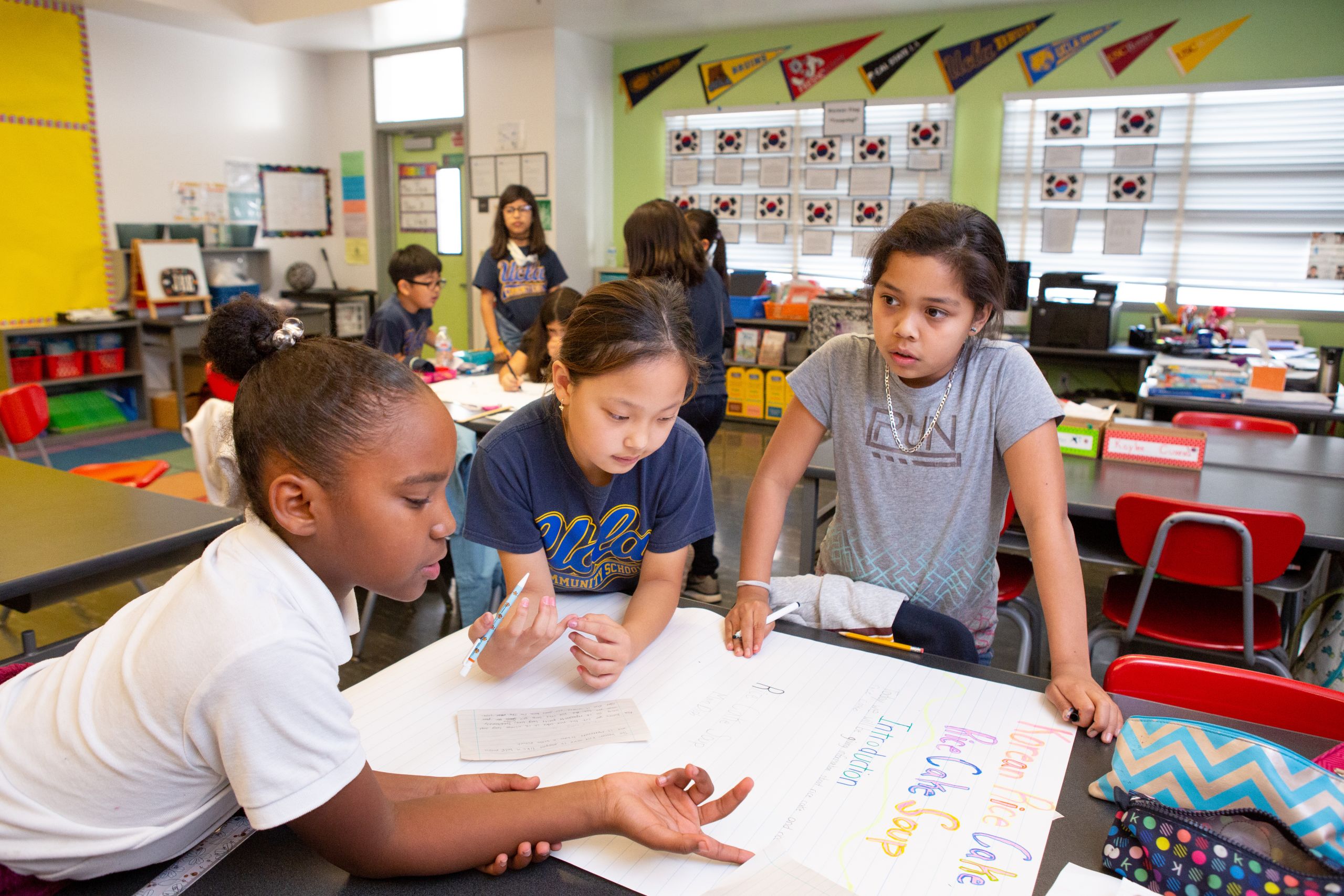
Research shows that movement supports attention, increases retention, and enhances comprehension by linking physical actions to academic content. Strategies such as using hand gestures for phonics, body movements for math, or role-play for vocabulary allow students to internalize concepts more deeply while accommodating diverse learning styles. Adding motions into your lessons is like giving your students a secret handshake with learning. When kids move while they learn—clapping out syllables, acting out a story, or using hand signs for sounds—they’re not just having fun, they’re locking that knowledge into memory. Movement keeps the wiggles at bay, turns abstract concepts into something concrete, and makes your lessons feel more like play than work. And it’s not just for little learners — older students benefit too, from acting out historical events to moving around for review games. The beauty of movement is its adaptability; what starts as clapping games in kindergarten can grow into debates with role-play, skits, or even interactive simulations in upper grades. No matter the grade level, weaving movement into lessons helps learners stay engaged and retain what matters most. While it does involve a little preplanning, adding in motions and movement to your lessons can make a BIG difference!
“No matter the grade level, weaving movement into lessons helps learners stay engaged and retain what matters most.”
Make it Mini
For teachers, time is everything- constantly racing the clock to get through all the lessons they’ve planned. There never seems to be quite enough time to dive deep, revisit tricky concepts, or give every student the attention they deserve. Even with carefully planned lessons, teachers are always juggling pacing, discussions, and activities—trying to make every single second count. When planning out your whole group lesson, think about making it mini- 10-15 minutes. When you drill down your whole group lesson, this allows for more time to pull small groups/differentiate your instruction to meet ALL students at their point of need. Students who are ready to grasp the learning intention will do so in just 10 minutes, while those who need extra time to refine and revisit a skill will require more than 10 minutes, no matter what. When lessons are streamlined into 10-minute mini bursts, you unlock more opportunities for meaningful small group time and targeted support–small groups: where the magic happens!
“Ask The Expert”
 We know that small groups are where the magic happens! ✨ Students get extra/ individualized attention, a chance to ask all the questions they want, and room to shine without the chaos of a full class. It’s like giving learning a VIP pass—everyone gets the support they need to grow. When the group is small, the wins feel big, and the confidence truly skyrockets! But what about the rest of the class? When someone forgets directions or needs a quick water break, don’t sweat it—just call in an “Ask the Expert”! Pick a few students each day to rock a fancy badge and be your go-to helpers for small interruptions. With 2–3 experts on duty, everyone gets a turn without getting overwhelmed, and your classroom keeps moving like magic. ✨
“Outside the Box” All Class Rewards
Positive reinforcement is pure classroom GOLD—it has the power to turn small wins into big momentum. When we celebrate progress, no matter how tiny, those victories multiply. Did your students crush a fluency activity? Hop up on a desk and bust out a silly dance! Did your class get a hallway compliment? Flip the script with a “teach the teacher” day, where students show off their coolest tricks and skills. The more joy we attach to success, the more success we get to celebrate.
“It’s not about doing more, it’s about doing what works.”
Magic Exit Words
Some call them “trick words,” others say “high-frequency words” or “sight words,” but I liked to call them magic exit words! Whenever my kindergarteners and first graders learned a new set, I posted an extra copy right on our doorframe. The rule was simple: before heading out—whether for lunch, recess, specials, or dismissal—each student had to touch the word and read it aloud. Suddenly, the doorway became a playful checkpoint, and every exit turned into one more chance to practice and master those new words. With older students, the same idea can be adapted for vocabulary, math facts, or even quick review questions. It’s a simple way to sneak in extra practice, no matter the grade level, and keep learning active all day long.
At the end of the day, it’s not about doing more, it’s about doing what works. Even the tiniest adjustments can bring more ease to your routine and more joy to your classroom. So take a breath, pick one idea, and let it work its magic!
Resources
Please login or register to claim PGPs.
Alternatively, you may use the PGP Request Form if you prefer to not register an account.