
Wild About Learning: Animal Stories that Get Students Thinking
Written by: Jen Stewart
One lesson that I learned early in my teaching career was that while my students had many differences, there was one noticeable similarity…an almost universal love of animals. For this blog, I have chosen books that feature animals that can be used in the classroom to teach a variety of lessons. Some are new, some are a little bit older, but they are all favorites.
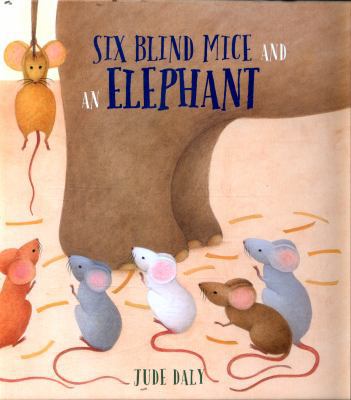
Six Blind Mice and an Elephant
Jude Daly
This book is based on an Indian fable. In the story, each of the mice investigate a different part of an elephant and draw conclusions about what the elephant is based on their limited exploration. It is not until they put their information together that they understand the true structure and majesty of the elephant.
How can you use this in your classroom?
I have used this book to as a starting point for mini lessons on seeing the whole picture, understanding point of view, and evaluating the source of information. In STEM, we talk about the construction of a NASA rocket and how the parts come from different sources across the country and the engineers must be able to see the entire picture so all of the parts come together.
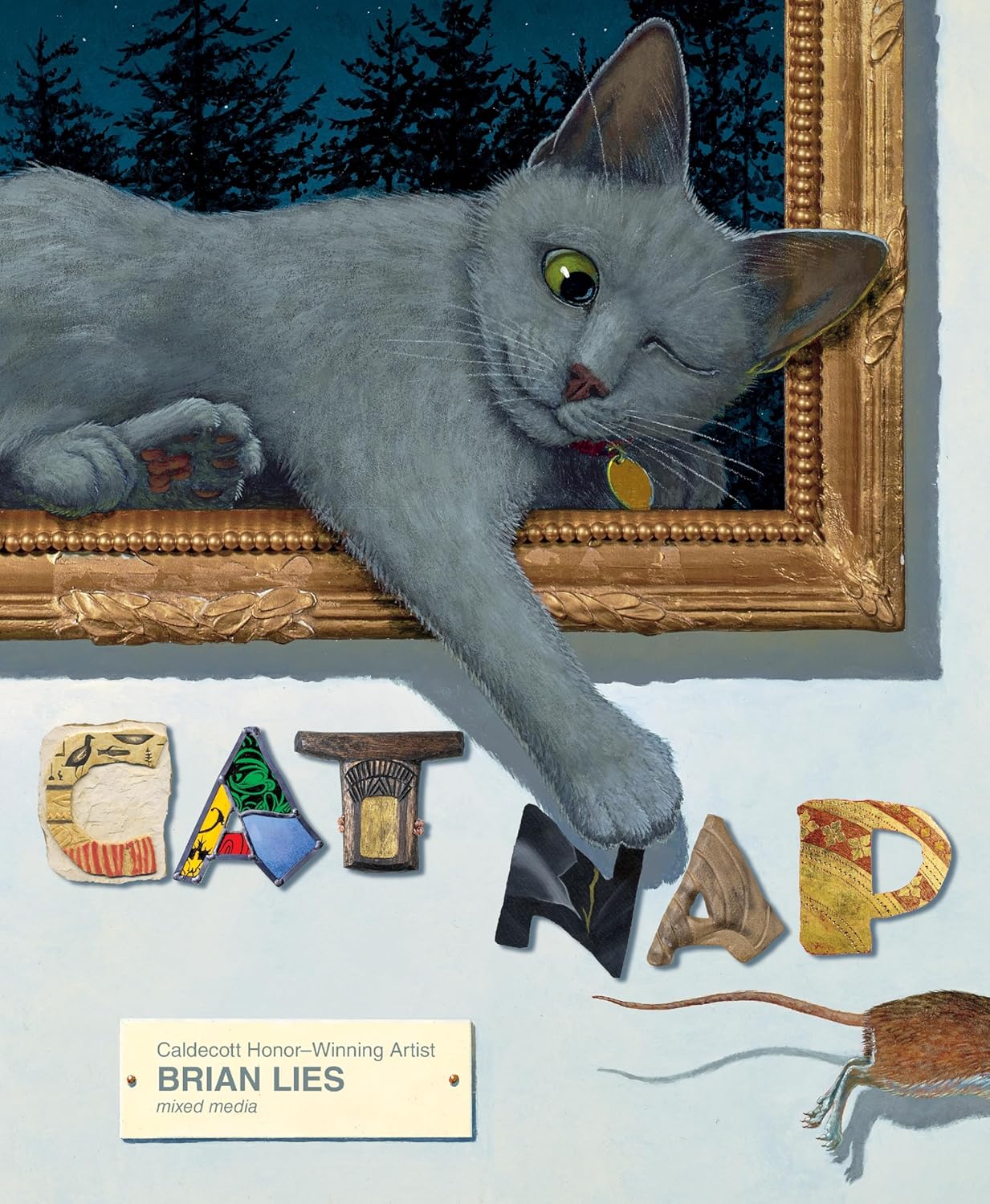
Cat Nap
Brian Lies
This book follows a kitten as he energetically chases a mouse through the Metropoiitan Museum of Art. The creatively illustrated book shows the mouse and kitten encountering and engaging with several pieces of famous artwork. The book includes the author’s explanation of the creation of the illustrations and descriptions of the featured artwork
How can you use this in your classroom?
This is a great book for discussing author’s purpose. It can be used for a discussion of the various forms of art, made from a multitude of mediums and chosen to represent different historical periods. The illustrations can also be used to help students identify different elements of art like line, shape, color, and texture.
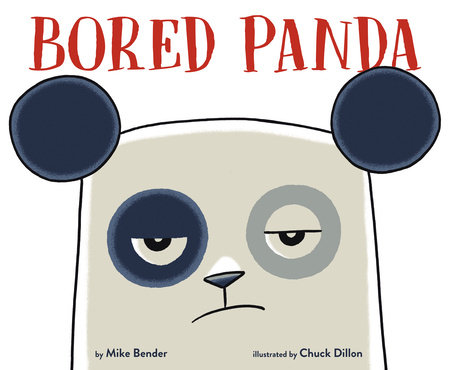
Bored Panda
Mike Bender
Panda spends all of his time online until one day his power goes out. In his boredom, he decides to spend the day outside. (GASP!) Panda realizes that there is life beyond his “Panda Pad” and there are benefits to being bored.
How can you use this in your classroom?
This is a great book to start discussions for Digital Citizenship Week. It is important that students think about their online and offline balance. You can have students create a list of healthy unplugged activities and maybe even challenge them to spend an evening completley off line. More lessons on digital citizenship can be found HERE.
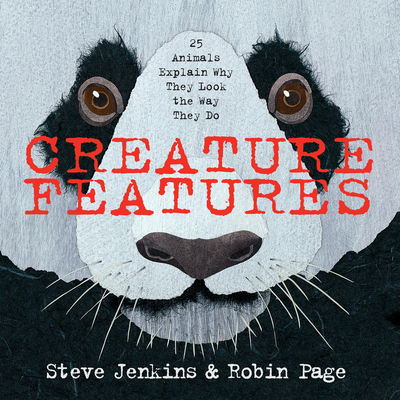
Creature Features
Steve Jenkins and Robin Page
Each section of this book starts with a question about a unique animal feature like the axolotl’s “feathers” and panda’s black eye markings. The animal then answers in first person, explaining the benefits of the feature and how it is important to their survival.
How can you use this in your classroom?
This book can also be used as a part of a discussion of author’s purpose. It is an example of informational text. It can be used as a stepping stone for a mini research activity where students mimic the format of the written text and accompanying illustration. Students can explain an animal’s feature not included in the book.
For more ideas for using this book and Jenkin’s other books about animals and scientific facts, click HERE.
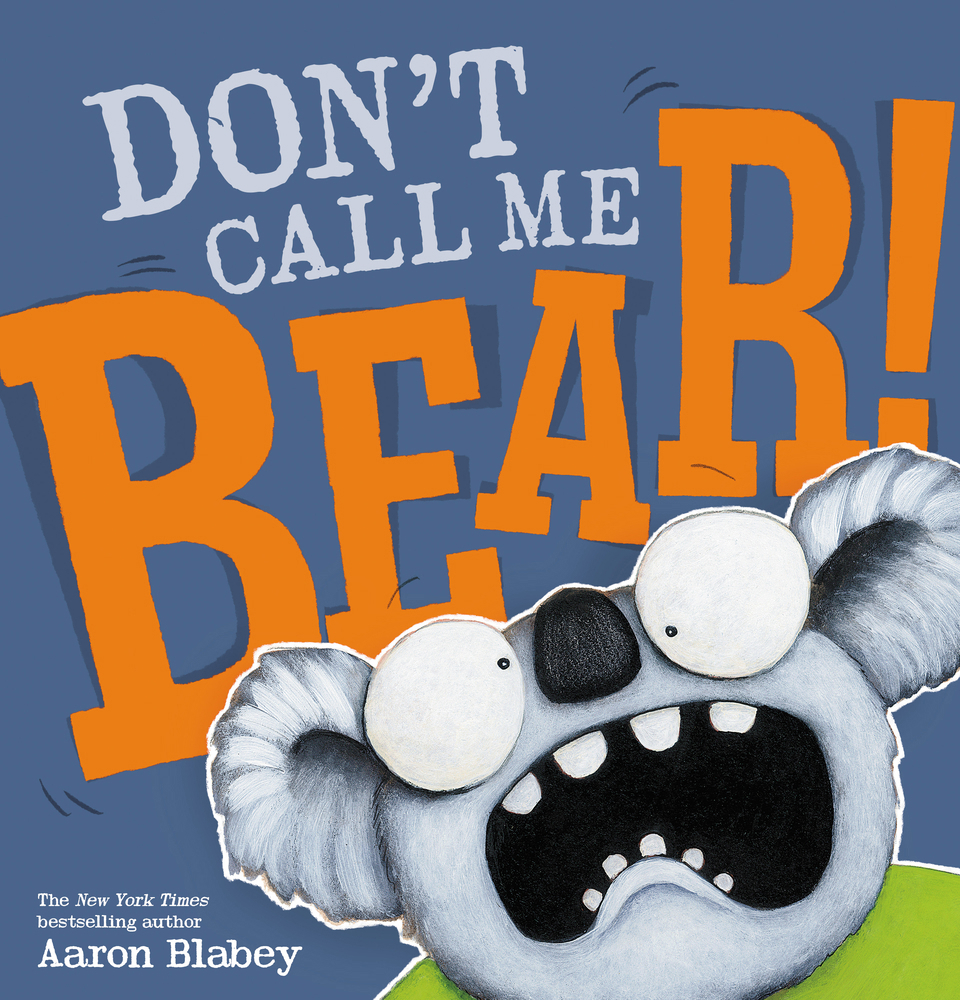
Don’t Call Me Bear!
Aaron Blabey
Your students will love Warren, who is a koala that is tired of being called a bear. He explains the origin of the use of the term Koala Bear and then humorously gives scientific reasons why he is Not A Bear!
How can you use this in your classroom?
This book can be used to help students understand the taxonomic system and focusing on key characteristics of plants and animals. Students can think about different ways that things are classified. (Vertebrates vs. Invertabrates, Plant vs. Animal, Mammal vs. Non-Mammal)
Find a lesson from the National Park Service on dichotomous keys HERE.
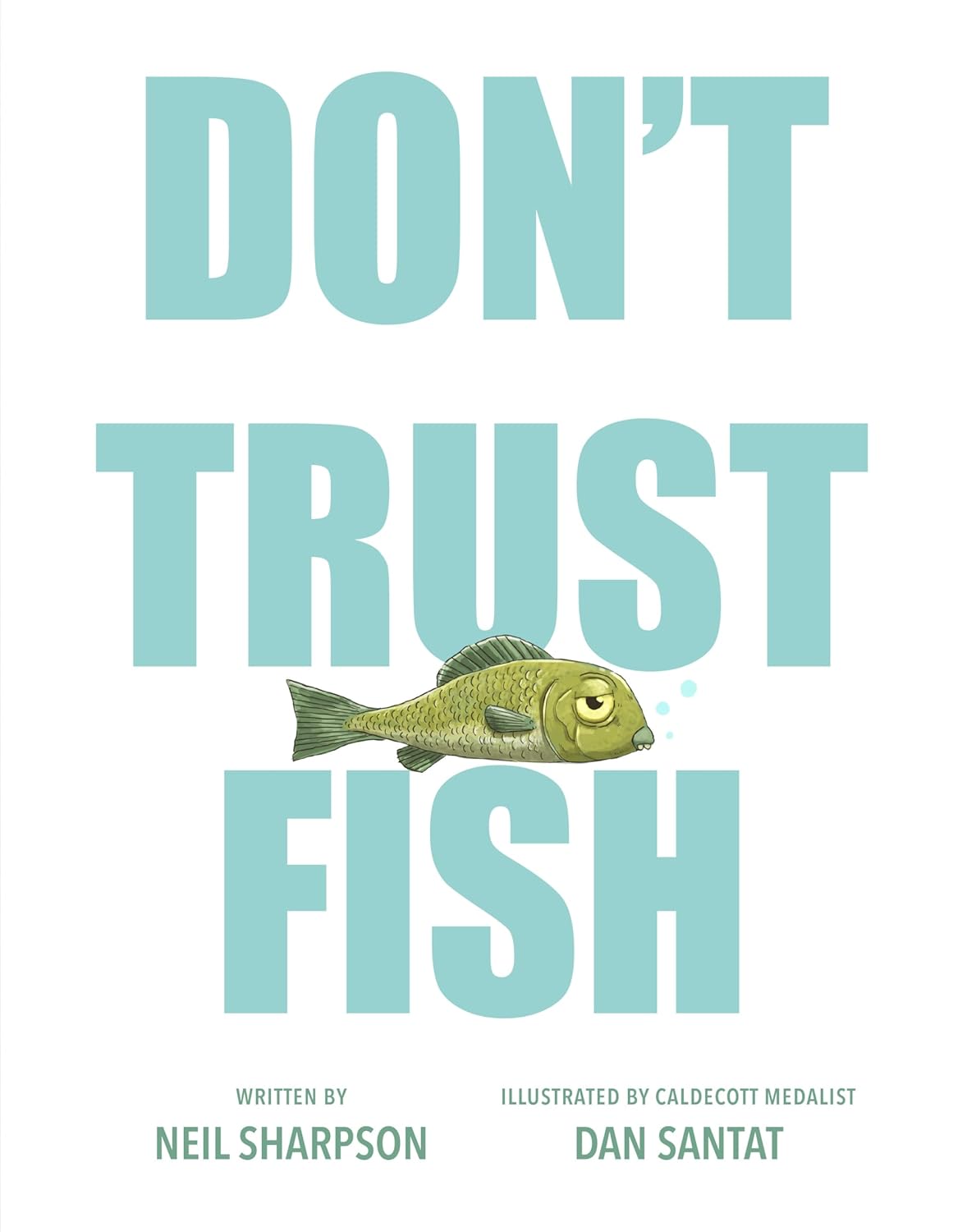
Don’t Trust Fish
Neil Sharpson
You won’t be able to read this aloud with your students without laughing out loud. Sharpson hilariously points out that we shouldn’t trust fish because they are such a diverse species and therefore not as easily classified as other species. (Birds have feathers. Done.) The idea of giant battle aquariums takes up way too much space in my brain.
How can you use this in your classroom?
This book can also be used to start discussions about classifying and the taxonomy of animals. In language arts, you can use it as an example of persuasive writing and textual support. This is also a great example of author’s voice and tone.
If you are looking for more creative activities to encourage persuasive writing, click HERE
“These books give us a natural way to start meaningful conversations and connect across content areas.”
Using animals as a hook is such a simple way to pull students in, but what I love most is how these stories open the door to so much deeper learning. Whether it is perspective, problem solving, digital balance, or scientific thinking, these books give us a natural way to start meaningful conversations and connect across content areas.
What I have found is that when students are engaged and curious, they are more willing to take risks, ask questions, and stick with the learning. Books like these help create those moments.
Sometimes the best lessons start with something familiar and fun. A great story, a curious animal, and a thoughtful question can go a long way in helping students see connections, think a little deeper, and stay excited about learning.
Resources
Please login or register to claim PGPs.
Alternatively, you may use the PGP Request Form if you prefer to not register an account.